Boiler Installation Bath: Where Does a Combi Boiler Fit Into Your Heating System?
Discover how a combi boiler fits into your heating system, how it heats your home and what Bath homeowners should consider before installation.

Why you can trust our content
We understand that the boiler industry can be confusing, with plenty of outdated or misleading information. That’s why we rely only on trusted, proven sources to guide our advice and installations:
At a glance
A combi boiler can be a practical choice for many homes, providing central heating and hot water from a single appliance. However, understanding where it fits into your existing heating system is important before deciding whether to install one. Your property’s layout, hot water demand, available space and existing pipework can all influence whether a combi boiler is suitable.
For homeowners considering boiler installation Bath, the key is to look beyond the boiler itself. A successful installation depends on how the appliance connects to your radiators, hot water outlets, gas supply and other parts of your home’s heating system.
This guide explains how a combi boiler works, how it differs from other boiler types and what to consider before making a change.
What Role Does a Combi Boiler Play in Your Heating System?
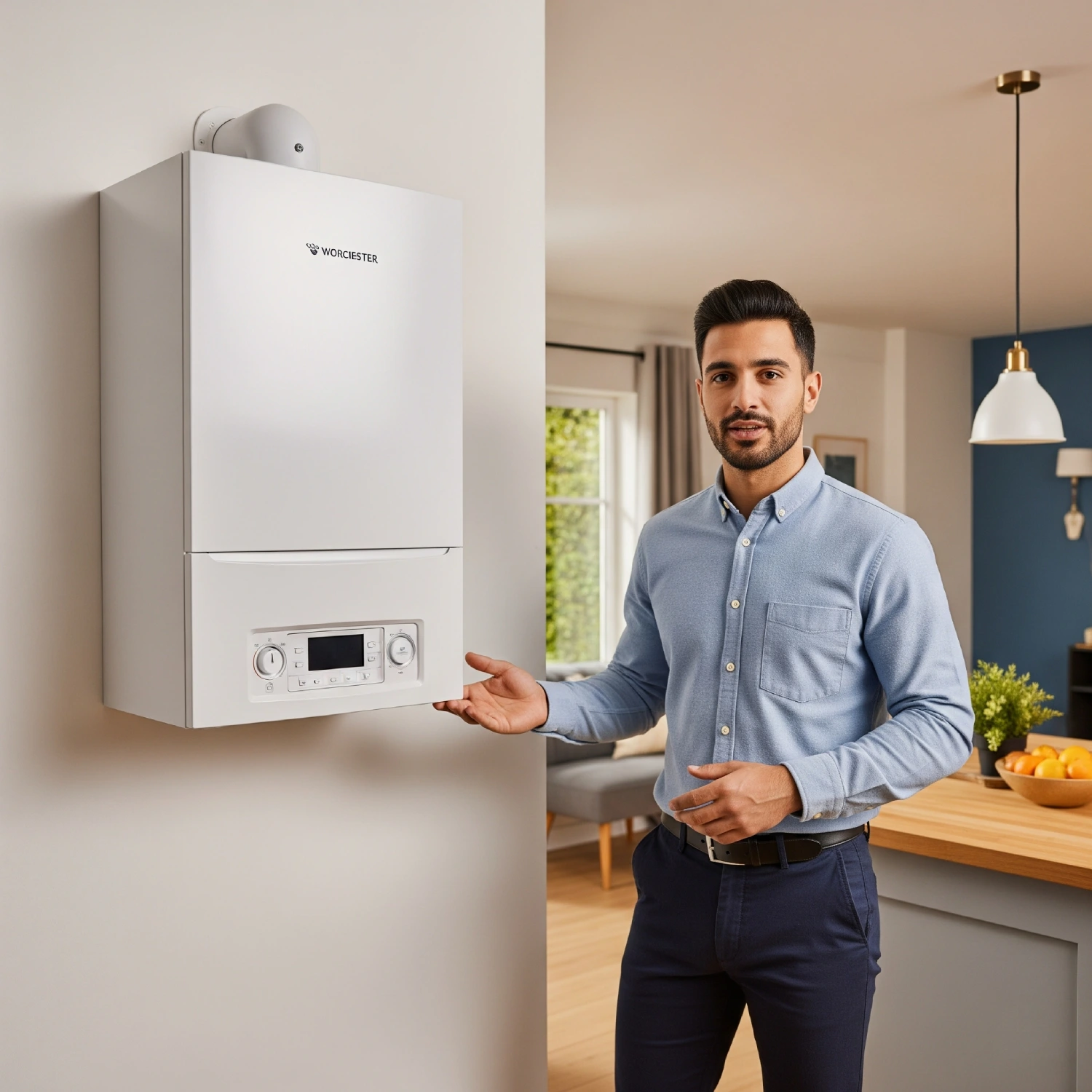
A combination boiler, commonly known as a combi boiler, provides central heating and hot water directly from one unit. Unlike traditional systems that store hot water in a separate cylinder, a combi heats water as it is needed.
When you turn on a hot tap, the boiler heats incoming mains water and delivers it to the outlet. When your heating is switched on, the boiler heats water that circulates around your radiators.
The main components involved include:
- The boiler: Heats water for central heating and domestic hot water.
- Radiators: Release heat into rooms as hot water passes through them.
- Pipework: Carries water between the boiler, radiators and hot water outlets.
- Controls and thermostat: Help regulate when the heating operates and the temperature inside your home.
- Mains water supply: Provides the incoming water used for taps, showers and other hot water outlets.
These components work together to provide warmth and hot water without requiring a separate hot water storage cylinder.
If you are considering a new system, [CTA 1: Contact Ford Plumbing & Heating to discuss your boiler installation options in Bath.] An assessment of your existing setup can help establish whether a combi boiler would meet your household’s needs.
How Does a Combi Boiler Connect to Your Radiators and Taps?
A combi boiler serves two main purposes, but the water follows different routes depending on whether you need heating or hot water.
For central heating, the boiler heats water that travels through the heating circuit. This water passes through radiators before returning to the boiler to be heated again. The process continues while the heating is running.
For domestic hot water, incoming mains water passes through a heat exchanger inside the boiler. Heat transfers to the water without it needing to be stored in a cylinder. The hot water then travels directly to the tap or shower.
The boiler’s controls manage these functions according to demand. Most domestic combi boilers prioritise hot water when a tap is opened, which means the heating may temporarily pause while hot water is being supplied.
This arrangement can make a combi convenient for smaller households, flats and homes where space is limited. However, the amount of hot water available at one time depends on the boiler’s output and the incoming mains water supply.
Why Does the Existing Heating System Matter?
Installing a new boiler does not automatically resolve every issue with an existing heating system. Radiators may be incorrectly sized, pipework may be unsuitable, or the system may contain accumulated sludge and debris.
Before installation, a competent heating professional should assess the wider system rather than focusing only on the appliance.
Important checks include:
- Whether radiators provide enough heat for each room.
- Whether the existing pipework is suitable for the proposed boiler.
- Whether the mains water supply can support the household’s hot water requirements.
- Whether the system needs cleaning or other remedial work.
- Whether the boiler’s location allows safe installation, servicing and maintenance.
These checks help ensure that the new appliance works effectively with the rest of the system.
Is a Combi Boiler Suitable for Every Home in Bath?
No. A combi boiler is not the right choice for every property. Its suitability depends on household demand, the available water supply, the number of bathrooms and the condition of the existing heating system.
A smaller property with one bathroom may benefit from having hot water available on demand without a storage cylinder. A larger household with several bathrooms may place greater demands on the boiler, particularly when multiple showers or taps operate simultaneously.
Property layout also matters. A replacement installation may be relatively straightforward where the existing boiler and pipework are already suitable. Changing from a system boiler or conventional boiler can involve additional work if the hot water cylinder, cold water storage tank or associated pipework needs to be removed or altered.
Before choosing an appliance, consider the following factors.
| Factor | Why it matters | What to check |
|---|---|---|
| Household size | More occupants can increase hot water demand. | Typical daily use and busy periods. |
| Number of bathrooms | Simultaneous hot water use can affect performance. | Whether showers and taps are used together. |
| Mains water pressure and flow | A combi relies on the incoming water supply. | Pressure and flow rate under suitable test conditions. |
| Property insulation | Heat loss affects the heating requirement. | Room sizes, insulation and existing radiator output. |
| Available space | The appliance needs a suitable location. | Access, ventilation requirements and servicing clearance. |
| Existing pipework | The current system may need alterations. | Pipe sizes, condition and compatibility. |
A professional assessment can establish whether a combi is appropriate or whether another boiler arrangement would better suit the property.
How Does a Combi Boiler Compare With Other Boiler Types?
Understanding the alternatives helps homeowners make an informed decision. Combi, system and conventional boilers all provide central heating, but they differ in how they deliver and store hot water.
| Boiler type | How it works | Potential advantages | Points to consider |
|---|---|---|---|
| Combi boiler | Heats mains water on demand and supplies central heating. | No separate hot water cylinder; compact arrangement. | Simultaneous hot water demand can affect performance. |
| System boiler | Heats central heating water and stores domestic hot water in a cylinder. | Stored hot water can support multiple outlets, depending on the cylinder and system. | Requires space for a cylinder. |
| Conventional boiler | Works with a hot water cylinder and usually a separate cold water storage tank. | May suit some existing systems and larger properties. | Takes up more space and may require additional components. |
There is no single option that suits every home. A combi can reduce the space needed for heating equipment, but a stored hot water system may be more suitable where several outlets regularly need hot water at once.
What Should Be Checked Before a Combi Boiler Is Installed?
A reliable installation begins with an assessment of the property and the household’s requirements. Choosing a boiler based solely on the model or its advertised output can lead to poor performance if it is not correctly matched to the home.
A heating professional should consider the following.
1. The property’s heating demand
The boiler must provide enough heat to keep the property comfortable during colder weather. This is best assessed through an appropriate heat-loss calculation, which considers room dimensions, insulation, windows and other relevant features.
2. The hot water demand
Combi boilers are generally rated for both central heating and hot water output. The output needed for heating may differ from that required to supply domestic hot water at a useful flow rate.
3. The incoming water supply
The mains supply should be checked to establish whether its pressure and flow are suitable. A high-output boiler cannot compensate for an inadequate incoming water supply.
4. The installation location
The proposed location must meet applicable safety, flue, ventilation and access requirements. The installer should also consider whether the position allows convenient future servicing.
5. The condition of the heating circuit
Radiators, valves and pipework should be checked for leaks, corrosion and restricted circulation. Depending on the condition of the system, cleaning or other remedial work may be recommended.
6. The controls
Suitable thermostats, timers and radiator controls can help homeowners manage heating more effectively. The proposed controls should be compatible with the boiler and appropriate for the property.
If you need advice about an existing system, [CTA 2: Speak to Ford Plumbing & Heating about the checks needed before choosing a new combi boiler.] This can help you understand the likely scope of work before committing to an installation.
What Happens When an Older Boiler Is Replaced With a Combi?
Replacing an older boiler with a combi can involve more than disconnecting one appliance and fitting another. The amount of work depends on the type of system already installed and whether changes are needed to make the new arrangement suitable.
For example, a homeowner moving from a conventional boiler may have a hot water cylinder in an airing cupboard and a cold water storage tank elsewhere in the property. A combi installation could remove the need for these components, subject to the suitability of the new system and the scope of the work.
However, removing redundant equipment is not always the only consideration. Pipework may need adapting, the flue arrangement may change, and the installer may recommend improvements to the existing heating circuit.
A typical replacement project may involve:
- Assessing the current boiler and heating system.
- Confirming the proposed boiler’s suitability.
- Planning necessary pipework and flue changes.
- Protecting the work area and removing the old appliance.
- Installing and connecting the new boiler.
- Testing the system, checking its operation and explaining the controls.
The precise process varies by property. Homeowners should ask which tasks are included in their quotation and whether any additional work is likely to be required.
How Can You Choose the Right Boiler Fitter in Bath?
Choosing an installer involves more than comparing appliance prices. The quality of the assessment, the installation work and the final commissioning all influence how reliably the heating system operates.
When comparing providers, consider these points:
- Gas Safe registration: Anyone carrying out gas boiler installation work must hold the appropriate Gas Safe registration and qualifications for the work involved.
- System assessment: The installer should ask about the property, household size, hot water use and existing heating arrangements.
- Clear quotations: The quote should explain the appliance, labour, included materials, alterations and any exclusions.
- Commissioning and handover: The boiler should be properly tested, with the controls explained and relevant documentation supplied.
- Aftercare: Ask what warranty applies, what maintenance is required and whom to contact if a problem develops.
A competent boiler fitter in Bath should be able to explain why a particular appliance is being recommended and identify any limitations that could affect its performance.
When reviewing a quotation, do not assume that the cheapest option will provide the best overall value. Equally, a higher price does not automatically mean better workmanship. Compare the proposed work and the terms alongside the appliance specification.
Related articles

Let’s get started, Which fuel powers your boiler?
At a glance
A combi boiler can be a practical choice for many homes, providing central heating and hot water from a single appliance. However, understanding where it fits into your existing heating system is important before deciding whether to install one. Your property’s layout, hot water demand, available space and existing pipework can all influence whether a combi boiler is suitable.
For homeowners considering boiler installation Bath, the key is to look beyond the boiler itself. A successful installation depends on how the appliance connects to your radiators, hot water outlets, gas supply and other parts of your home’s heating system.
This guide explains how a combi boiler works, how it differs from other boiler types and what to consider before making a change.
What Role Does a Combi Boiler Play in Your Heating System?
A combination boiler, commonly known as a combi boiler, provides central heating and hot water directly from one unit. Unlike traditional systems that store hot water in a separate cylinder, a combi heats water as it is needed.
When you turn on a hot tap, the boiler heats incoming mains water and delivers it to the outlet. When your heating is switched on, the boiler heats water that circulates around your radiators.
The main components involved include:
- The boiler: Heats water for central heating and domestic hot water.
- Radiators: Release heat into rooms as hot water passes through them.
- Pipework: Carries water between the boiler, radiators and hot water outlets.
- Controls and thermostat: Help regulate when the heating operates and the temperature inside your home.
- Mains water supply: Provides the incoming water used for taps, showers and other hot water outlets.
These components work together to provide warmth and hot water without requiring a separate hot water storage cylinder.
If you are considering a new system, [CTA 1: Contact Ford Plumbing & Heating to discuss your boiler installation options in Bath.] An assessment of your existing setup can help establish whether a combi boiler would meet your household’s needs.
How Does a Combi Boiler Connect to Your Radiators and Taps?
A combi boiler serves two main purposes, but the water follows different routes depending on whether you need heating or hot water.
For central heating, the boiler heats water that travels through the heating circuit. This water passes through radiators before returning to the boiler to be heated again. The process continues while the heating is running.
For domestic hot water, incoming mains water passes through a heat exchanger inside the boiler. Heat transfers to the water without it needing to be stored in a cylinder. The hot water then travels directly to the tap or shower.
The boiler’s controls manage these functions according to demand. Most domestic combi boilers prioritise hot water when a tap is opened, which means the heating may temporarily pause while hot water is being supplied.
This arrangement can make a combi convenient for smaller households, flats and homes where space is limited. However, the amount of hot water available at one time depends on the boiler’s output and the incoming mains water supply.
Why Does the Existing Heating System Matter?
Installing a new boiler does not automatically resolve every issue with an existing heating system. Radiators may be incorrectly sized, pipework may be unsuitable, or the system may contain accumulated sludge and debris.
Before installation, a competent heating professional should assess the wider system rather than focusing only on the appliance.
Important checks include:
- Whether radiators provide enough heat for each room.
- Whether the existing pipework is suitable for the proposed boiler.
- Whether the mains water supply can support the household’s hot water requirements.
- Whether the system needs cleaning or other remedial work.
- Whether the boiler’s location allows safe installation, servicing and maintenance.
These checks help ensure that the new appliance works effectively with the rest of the system.
Is a Combi Boiler Suitable for Every Home in Bath?
No. A combi boiler is not the right choice for every property. Its suitability depends on household demand, the available water supply, the number of bathrooms and the condition of the existing heating system.
A smaller property with one bathroom may benefit from having hot water available on demand without a storage cylinder. A larger household with several bathrooms may place greater demands on the boiler, particularly when multiple showers or taps operate simultaneously.
Property layout also matters. A replacement installation may be relatively straightforward where the existing boiler and pipework are already suitable. Changing from a system boiler or conventional boiler can involve additional work if the hot water cylinder, cold water storage tank or associated pipework needs to be removed or altered.
Before choosing an appliance, consider the following factors.
| Factor | Why it matters | What to check |
|---|---|---|
| Household size | More occupants can increase hot water demand. | Typical daily use and busy periods. |
| Number of bathrooms | Simultaneous hot water use can affect performance. | Whether showers and taps are used together. |
| Mains water pressure and flow | A combi relies on the incoming water supply. | Pressure and flow rate under suitable test conditions. |
| Property insulation | Heat loss affects the heating requirement. | Room sizes, insulation and existing radiator output. |
| Available space | The appliance needs a suitable location. | Access, ventilation requirements and servicing clearance. |
| Existing pipework | The current system may need alterations. | Pipe sizes, condition and compatibility. |
A professional assessment can establish whether a combi is appropriate or whether another boiler arrangement would better suit the property.
How Does a Combi Boiler Compare With Other Boiler Types?
Understanding the alternatives helps homeowners make an informed decision. Combi, system and conventional boilers all provide central heating, but they differ in how they deliver and store hot water.
| Boiler type | How it works | Potential advantages | Points to consider |
|---|---|---|---|
| Combi boiler | Heats mains water on demand and supplies central heating. | No separate hot water cylinder; compact arrangement. | Simultaneous hot water demand can affect performance. |
| System boiler | Heats central heating water and stores domestic hot water in a cylinder. | Stored hot water can support multiple outlets, depending on the cylinder and system. | Requires space for a cylinder. |
| Conventional boiler | Works with a hot water cylinder and usually a separate cold water storage tank. | May suit some existing systems and larger properties. | Takes up more space and may require additional components. |
There is no single option that suits every home. A combi can reduce the space needed for heating equipment, but a stored hot water system may be more suitable where several outlets regularly need hot water at once.
What Should Be Checked Before a Combi Boiler Is Installed?
A reliable installation begins with an assessment of the property and the household’s requirements. Choosing a boiler based solely on the model or its advertised output can lead to poor performance if it is not correctly matched to the home.
A heating professional should consider the following.
1. The property’s heating demand
The boiler must provide enough heat to keep the property comfortable during colder weather. This is best assessed through an appropriate heat-loss calculation, which considers room dimensions, insulation, windows and other relevant features.
2. The hot water demand
Combi boilers are generally rated for both central heating and hot water output. The output needed for heating may differ from that required to supply domestic hot water at a useful flow rate.
3. The incoming water supply
The mains supply should be checked to establish whether its pressure and flow are suitable. A high-output boiler cannot compensate for an inadequate incoming water supply.
4. The installation location
The proposed location must meet applicable safety, flue, ventilation and access requirements. The installer should also consider whether the position allows convenient future servicing.
5. The condition of the heating circuit
Radiators, valves and pipework should be checked for leaks, corrosion and restricted circulation. Depending on the condition of the system, cleaning or other remedial work may be recommended.
6. The controls
Suitable thermostats, timers and radiator controls can help homeowners manage heating more effectively. The proposed controls should be compatible with the boiler and appropriate for the property.
If you need advice about an existing system, [CTA 2: Speak to Ford Plumbing & Heating about the checks needed before choosing a new combi boiler.] This can help you understand the likely scope of work before committing to an installation.
What Happens When an Older Boiler Is Replaced With a Combi?
Replacing an older boiler with a combi can involve more than disconnecting one appliance and fitting another. The amount of work depends on the type of system already installed and whether changes are needed to make the new arrangement suitable.
For example, a homeowner moving from a conventional boiler may have a hot water cylinder in an airing cupboard and a cold water storage tank elsewhere in the property. A combi installation could remove the need for these components, subject to the suitability of the new system and the scope of the work.
However, removing redundant equipment is not always the only consideration. Pipework may need adapting, the flue arrangement may change, and the installer may recommend improvements to the existing heating circuit.
A typical replacement project may involve:
- Assessing the current boiler and heating system.
- Confirming the proposed boiler’s suitability.
- Planning necessary pipework and flue changes.
- Protecting the work area and removing the old appliance.
- Installing and connecting the new boiler.
- Testing the system, checking its operation and explaining the controls.
The precise process varies by property. Homeowners should ask which tasks are included in their quotation and whether any additional work is likely to be required.
How Can You Choose the Right Boiler Fitter in Bath?
Choosing an installer involves more than comparing appliance prices. The quality of the assessment, the installation work and the final commissioning all influence how reliably the heating system operates.
When comparing providers, consider these points:
- Gas Safe registration: Anyone carrying out gas boiler installation work must hold the appropriate Gas Safe registration and qualifications for the work involved.
- System assessment: The installer should ask about the property, household size, hot water use and existing heating arrangements.
- Clear quotations: The quote should explain the appliance, labour, included materials, alterations and any exclusions.
- Commissioning and handover: The boiler should be properly tested, with the controls explained and relevant documentation supplied.
- Aftercare: Ask what warranty applies, what maintenance is required and whom to contact if a problem develops.
A competent boiler fitter in Bath should be able to explain why a particular appliance is being recommended and identify any limitations that could affect its performance.
When reviewing a quotation, do not assume that the cheapest option will provide the best overall value. Equally, a higher price does not automatically mean better workmanship. Compare the proposed work and the terms alongside the appliance specification.