New Boiler Cost Bath: What Can Make One Combi Installation Cost More Than Another?
Discover what affects the cost of a new combi boiler in Bath, from boiler choice and labour to pipework changes, controls and system upgrades.

Why you can trust our content
We understand that the boiler industry can be confusing, with plenty of outdated or misleading information. That’s why we rely only on trusted, proven sources to guide our advice and installations:
At a glance
Two homeowners can choose similar combi boilers and still receive very different installation quotations. The difference often comes down to the property, the condition of the existing heating system and the amount of work required to complete the installation safely.
When researching new boiler cost Bath, it is worth looking beyond the price of the appliance itself. Labour, system preparation, pipework alterations, controls and the removal of old equipment can all contribute to the final amount.
Understanding these factors makes it easier to compare quotations fairly and identify what you are paying for. It also helps you distinguish between a straightforward replacement and a project that requires more extensive work.
What Determines the Cost of a New Combi Boiler?
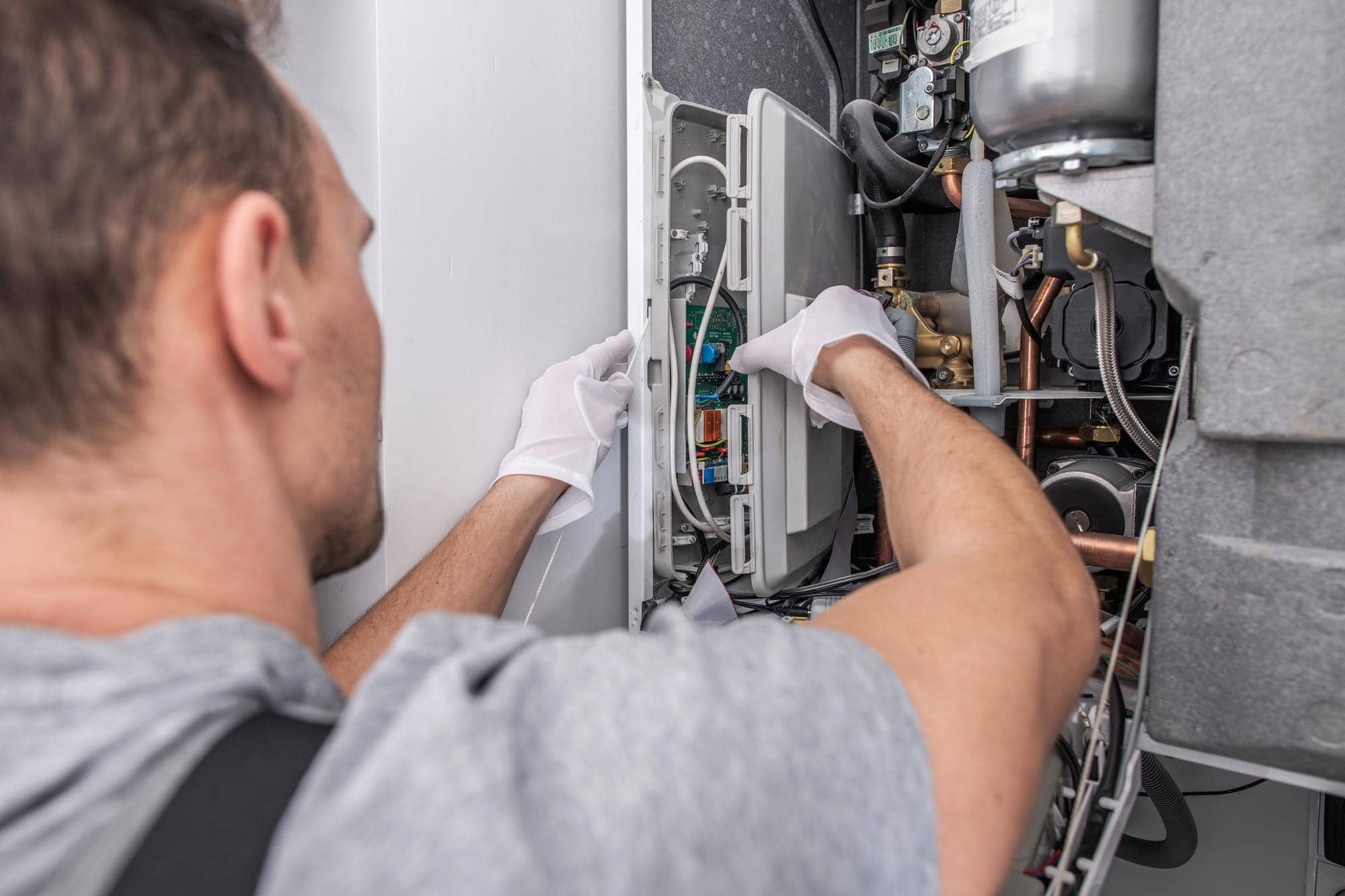
The overall cost depends on the boiler selected and the work needed to install it. A like-for-like replacement in a suitable location will often involve less work than changing the boiler type or moving it to another part of the property.
The main cost factors usually include:
- The make, model and output of the boiler.
- The complexity of removing the existing appliance.
- Labour and installation time.
- Pipework alterations and additional materials.
- Flue requirements and the proposed boiler location.
- Heating system cleaning or repairs.
- New thermostats and heating controls.
- Testing, commissioning and handover.
A quotation should explain which of these items are included rather than presenting a single figure without supporting details.
If you are planning an upgrade, [CTA 1: Contact Ford Plumbing & Heating to discuss your property and request a quotation based on your installation requirements.]
How Much Does the Boiler Itself Affect the Price?
The appliance is a significant part of the overall cost, but a more expensive boiler does not automatically mean that the complete installation will be more expensive by the same proportion.
Combi boilers are available in different outputs, designs and specification levels. Some models offer more advanced controls, quieter operation or features that may suit particular households. The right choice depends on the heating demand, hot water requirements and the property’s existing system.
A boiler should not be selected on output alone. A model with a very high hot water rating may be useful for a household with greater demand, but it must also suit the incoming water supply. Likewise, choosing a boiler that is unnecessarily large for the home’s heating demand may not provide the best overall solution.
Before comparing appliance prices, consider the following:
- Heating output: The boiler must provide sufficient heat for the property.
- Hot water performance: The appliance should meet the household’s expected demand.
- Warranty terms: Check the manufacturer’s conditions, including any servicing or registration requirements.
- Controls compatibility: Some controls may require additional equipment or installation work.
- Maintenance access: The chosen model and location should allow appropriate servicing.
The aim is to find a boiler that meets the property’s requirements rather than paying for features or capacity that are unlikely to be useful.
Why Can Two Similar Installations Have Different Labour Costs?
Labour costs reflect the time, skills and work involved in completing the installation. Even when two homes use the same boiler model, their existing systems may differ considerably.
A straightforward replacement may allow the installer to use much of the existing pipework and retain the boiler’s current location, provided everything remains suitable and compliant. A more complicated project may involve moving connections, modifying the flue arrangement, replacing unsuitable components or resolving existing faults.
The age and condition of the heating system can also affect the work required. Corroded pipework, leaking valves or restricted circulation may need attention before the new boiler can operate properly.
Typical differences include:
- Like-for-like replacement: The existing position and connections may be suitable, reducing the need for alterations.
- Boiler relocation: Moving the appliance can involve additional pipework, flue planning and making good affected areas.
- System conversion: Changing from a conventional boiler to a combi may require the removal or alteration of a cylinder, storage tanks and associated pipework.
- Access difficulties: Restricted spaces or awkward routes can increase installation time.
- Additional remedial work: Existing leaks, damaged components or unsuitable pipework may need to be addressed.
A higher labour charge is not necessarily unreasonable, but the quotation should explain the work that justifies it.
Which Parts of the Heating System Can Add to the Total?
A new boiler works alongside the wider heating system. If other components are unsuitable or in poor condition, addressing them may increase the initial cost but help prevent avoidable problems later.
Pipework and connections
Existing connections may need alteration to suit the new appliance. The installer should check their condition and compatibility rather than assuming that every pipe can be reused.
Flue arrangements
The boiler’s flue must be installed in a suitable position and meet the relevant requirements. Relocating a boiler or changing its model can affect the flue route and the amount of work involved.
System cleaning
Heating systems can accumulate sludge, corrosion products and other debris over time. Depending on the system’s condition and the manufacturer’s requirements, cleaning or other preparation may be needed before commissioning.
Radiators and valves
A new boiler does not automatically require every radiator to be replaced. However, leaking valves, damaged radiators or components that prevent proper circulation may need attention.
Heating controls
A new thermostat or compatible control system may be recommended to improve how the heating is managed. The cost depends on the equipment chosen and the installation involved.
These items should be discussed before work begins wherever possible, so the homeowner understands the expected scope and any potential additional charges.
What Should You Compare When Reviewing Boiler Installation Costs?
When comparing boiler installation costs, make sure each quotation covers a similar scope of work. A lower headline figure may exclude tasks that another installer has included.
Use the table below as a starting point when reviewing quotations.
| Cost component | What to check | Why it matters |
|---|---|---|
| Boiler supply | Exact make, model and output | Confirms which appliance is being supplied. |
| Labour | Installation work and expected duration | Helps explain differences between quotations. |
| Removal and disposal | Whether the old boiler and redundant equipment are included | Avoids unexpected removal charges. |
| Pipework alterations | Which changes are included | Identifies work needed to connect the new appliance. |
| Flue and fittings | Whether suitable components are included | Clarifies the materials needed for installation. |
| System preparation | Cleaning, flushing or remedial work | Helps establish whether the existing system is ready. |
| Controls | Thermostat, programmer and other equipment | Confirms what is supplied and fitted. |
| Testing and handover | Commissioning and documentation | Ensures the finished installation is properly checked. |
| Warranty | Applicable terms and registration requirements | Clarifies what protection is available after installation. |
Ask each installer to identify exclusions, assumptions and circumstances that could lead to extra charges. If a quotation includes provisional costs, find out what could cause those figures to change.
Can the Type of Property Affect the Installation Price?
Yes. The property can influence access, pipework routes, installation time and the amount of preparation required.
For example, a flat with a suitable existing combi boiler position may need relatively little alteration. A larger period property in Bath might have an older heating system, a less convenient flue route or pipework that requires modification. These are examples rather than assumptions about any particular property, and an inspection is needed to establish the actual requirements.
The location of the boiler can also affect the work. Moving an appliance from a kitchen to a cupboard upstairs, for instance, may require new pipework and a revised flue arrangement. The proposed position must remain suitable for safe operation and future maintenance.
Other property-related considerations include:
- The condition and accessibility of existing pipework.
- The number and size of radiators.
- The distance between the boiler and hot water outlets.
- Available space for the appliance and its connections.
- Any building or access restrictions that affect the work.
This is why a quotation based on a brief conversation may need to be confirmed after the installer has assessed the property.
How Can You Avoid Unexpected Costs During Installation?
No quotation can anticipate every hidden issue, particularly where older systems are involved. However, clear communication and a thorough initial assessment can reduce the likelihood of surprises.
Before accepting a quotation, ask the installer to explain the following:
- What is included in the price? Confirm the boiler, labour, standard materials, removal and commissioning arrangements.
- What is excluded? Ask whether decorative repairs, electrical changes or additional pipework are outside the quoted scope.
- What happens if a problem is discovered? Establish how unexpected work will be explained, priced and approved.
- Is the existing system suitable? Ask whether any visible concerns need to be addressed before installation.
- What documentation will be provided? Confirm that the appropriate installation records and warranty information will be supplied.
It is sensible to retain a copy of the accepted quotation and any written changes agreed during the project.
[CTA 2: Speak to Ford Plumbing & Heating if you would like help understanding the work involved in your proposed boiler installation.] A clear discussion before work starts can help you make a more informed comparison.
Is the Cheapest Boiler Installation Always the Best Value?
Not necessarily. The cheapest quotation may be perfectly reasonable if it covers the required work and comes from a suitably qualified installer. However, a low price is less useful if important items have been omitted or the proposed appliance is not suitable for the property.
Likewise, a higher quotation should not be accepted simply because it is more expensive. Ask what additional work, equipment or service is included and decide whether it is relevant to your home.
Good value comes from balancing the appliance’s suitability, installation quality, clear pricing and appropriate aftercare. Gas boiler installation work should be carried out by a suitably qualified Gas Safe registered engineer.
Rather than comparing headline prices alone, compare the specification, scope, exclusions and terms side by side.
Related articles

Let’s get started, Which fuel powers your boiler?
At a glance
Two homeowners can choose similar combi boilers and still receive very different installation quotations. The difference often comes down to the property, the condition of the existing heating system and the amount of work required to complete the installation safely.
When researching new boiler cost Bath, it is worth looking beyond the price of the appliance itself. Labour, system preparation, pipework alterations, controls and the removal of old equipment can all contribute to the final amount.
Understanding these factors makes it easier to compare quotations fairly and identify what you are paying for. It also helps you distinguish between a straightforward replacement and a project that requires more extensive work.
What Determines the Cost of a New Combi Boiler?
The overall cost depends on the boiler selected and the work needed to install it. A like-for-like replacement in a suitable location will often involve less work than changing the boiler type or moving it to another part of the property.
The main cost factors usually include:
- The make, model and output of the boiler.
- The complexity of removing the existing appliance.
- Labour and installation time.
- Pipework alterations and additional materials.
- Flue requirements and the proposed boiler location.
- Heating system cleaning or repairs.
- New thermostats and heating controls.
- Testing, commissioning and handover.
A quotation should explain which of these items are included rather than presenting a single figure without supporting details.
If you are planning an upgrade, [CTA 1: Contact Ford Plumbing & Heating to discuss your property and request a quotation based on your installation requirements.]
How Much Does the Boiler Itself Affect the Price?
The appliance is a significant part of the overall cost, but a more expensive boiler does not automatically mean that the complete installation will be more expensive by the same proportion.
Combi boilers are available in different outputs, designs and specification levels. Some models offer more advanced controls, quieter operation or features that may suit particular households. The right choice depends on the heating demand, hot water requirements and the property’s existing system.
A boiler should not be selected on output alone. A model with a very high hot water rating may be useful for a household with greater demand, but it must also suit the incoming water supply. Likewise, choosing a boiler that is unnecessarily large for the home’s heating demand may not provide the best overall solution.
Before comparing appliance prices, consider the following:
- Heating output: The boiler must provide sufficient heat for the property.
- Hot water performance: The appliance should meet the household’s expected demand.
- Warranty terms: Check the manufacturer’s conditions, including any servicing or registration requirements.
- Controls compatibility: Some controls may require additional equipment or installation work.
- Maintenance access: The chosen model and location should allow appropriate servicing.
The aim is to find a boiler that meets the property’s requirements rather than paying for features or capacity that are unlikely to be useful.
Why Can Two Similar Installations Have Different Labour Costs?
Labour costs reflect the time, skills and work involved in completing the installation. Even when two homes use the same boiler model, their existing systems may differ considerably.
A straightforward replacement may allow the installer to use much of the existing pipework and retain the boiler’s current location, provided everything remains suitable and compliant. A more complicated project may involve moving connections, modifying the flue arrangement, replacing unsuitable components or resolving existing faults.
The age and condition of the heating system can also affect the work required. Corroded pipework, leaking valves or restricted circulation may need attention before the new boiler can operate properly.
Typical differences include:
- Like-for-like replacement: The existing position and connections may be suitable, reducing the need for alterations.
- Boiler relocation: Moving the appliance can involve additional pipework, flue planning and making good affected areas.
- System conversion: Changing from a conventional boiler to a combi may require the removal or alteration of a cylinder, storage tanks and associated pipework.
- Access difficulties: Restricted spaces or awkward routes can increase installation time.
- Additional remedial work: Existing leaks, damaged components or unsuitable pipework may need to be addressed.
A higher labour charge is not necessarily unreasonable, but the quotation should explain the work that justifies it.
Which Parts of the Heating System Can Add to the Total?
A new boiler works alongside the wider heating system. If other components are unsuitable or in poor condition, addressing them may increase the initial cost but help prevent avoidable problems later.
Pipework and connections
Existing connections may need alteration to suit the new appliance. The installer should check their condition and compatibility rather than assuming that every pipe can be reused.
Flue arrangements
The boiler’s flue must be installed in a suitable position and meet the relevant requirements. Relocating a boiler or changing its model can affect the flue route and the amount of work involved.
System cleaning
Heating systems can accumulate sludge, corrosion products and other debris over time. Depending on the system’s condition and the manufacturer’s requirements, cleaning or other preparation may be needed before commissioning.
Radiators and valves
A new boiler does not automatically require every radiator to be replaced. However, leaking valves, damaged radiators or components that prevent proper circulation may need attention.
Heating controls
A new thermostat or compatible control system may be recommended to improve how the heating is managed. The cost depends on the equipment chosen and the installation involved.
These items should be discussed before work begins wherever possible, so the homeowner understands the expected scope and any potential additional charges.
What Should You Compare When Reviewing Boiler Installation Costs?
When comparing boiler installation costs, make sure each quotation covers a similar scope of work. A lower headline figure may exclude tasks that another installer has included.
Use the table below as a starting point when reviewing quotations.
| Cost component | What to check | Why it matters |
|---|---|---|
| Boiler supply | Exact make, model and output | Confirms which appliance is being supplied. |
| Labour | Installation work and expected duration | Helps explain differences between quotations. |
| Removal and disposal | Whether the old boiler and redundant equipment are included | Avoids unexpected removal charges. |
| Pipework alterations | Which changes are included | Identifies work needed to connect the new appliance. |
| Flue and fittings | Whether suitable components are included | Clarifies the materials needed for installation. |
| System preparation | Cleaning, flushing or remedial work | Helps establish whether the existing system is ready. |
| Controls | Thermostat, programmer and other equipment | Confirms what is supplied and fitted. |
| Testing and handover | Commissioning and documentation | Ensures the finished installation is properly checked. |
| Warranty | Applicable terms and registration requirements | Clarifies what protection is available after installation. |
Ask each installer to identify exclusions, assumptions and circumstances that could lead to extra charges. If a quotation includes provisional costs, find out what could cause those figures to change.
Can the Type of Property Affect the Installation Price?
Yes. The property can influence access, pipework routes, installation time and the amount of preparation required.
For example, a flat with a suitable existing combi boiler position may need relatively little alteration. A larger period property in Bath might have an older heating system, a less convenient flue route or pipework that requires modification. These are examples rather than assumptions about any particular property, and an inspection is needed to establish the actual requirements.
The location of the boiler can also affect the work. Moving an appliance from a kitchen to a cupboard upstairs, for instance, may require new pipework and a revised flue arrangement. The proposed position must remain suitable for safe operation and future maintenance.
Other property-related considerations include:
- The condition and accessibility of existing pipework.
- The number and size of radiators.
- The distance between the boiler and hot water outlets.
- Available space for the appliance and its connections.
- Any building or access restrictions that affect the work.
This is why a quotation based on a brief conversation may need to be confirmed after the installer has assessed the property.
How Can You Avoid Unexpected Costs During Installation?
No quotation can anticipate every hidden issue, particularly where older systems are involved. However, clear communication and a thorough initial assessment can reduce the likelihood of surprises.
Before accepting a quotation, ask the installer to explain the following:
- What is included in the price? Confirm the boiler, labour, standard materials, removal and commissioning arrangements.
- What is excluded? Ask whether decorative repairs, electrical changes or additional pipework are outside the quoted scope.
- What happens if a problem is discovered? Establish how unexpected work will be explained, priced and approved.
- Is the existing system suitable? Ask whether any visible concerns need to be addressed before installation.
- What documentation will be provided? Confirm that the appropriate installation records and warranty information will be supplied.
It is sensible to retain a copy of the accepted quotation and any written changes agreed during the project.
[CTA 2: Speak to Ford Plumbing & Heating if you would like help understanding the work involved in your proposed boiler installation.] A clear discussion before work starts can help you make a more informed comparison.
Is the Cheapest Boiler Installation Always the Best Value?
Not necessarily. The cheapest quotation may be perfectly reasonable if it covers the required work and comes from a suitably qualified installer. However, a low price is less useful if important items have been omitted or the proposed appliance is not suitable for the property.
Likewise, a higher quotation should not be accepted simply because it is more expensive. Ask what additional work, equipment or service is included and decide whether it is relevant to your home.
Good value comes from balancing the appliance’s suitability, installation quality, clear pricing and appropriate aftercare. Gas boiler installation work should be carried out by a suitably qualified Gas Safe registered engineer.
Rather than comparing headline prices alone, compare the specification, scope, exclusions and terms side by side.