Gas Boiler Installation Bath: What Should an Installer Check Before the Job Is Booked?
Booking a new gas boiler involves more than choosing an appliance and arranging an installation date. Before work begins, the property needs to be assessed to establish whether the proposed boiler, position and installation method are suitable.

Why you can trust our content
We understand that the boiler industry can be confusing, with plenty of outdated or misleading information. That’s why we rely only on trusted, proven sources to guide our advice and installations:
At a glance
A thorough pre-installation check can identify practical issues early, from the condition of existing pipework to flue arrangements and access. It can also help ensure that the quotation reflects the work that is actually required.
If you are planning gas boiler installation bath, understanding what an installer should check can help you ask the right questions and prepare your property before the work is booked.
What should an installer check before booking the work?
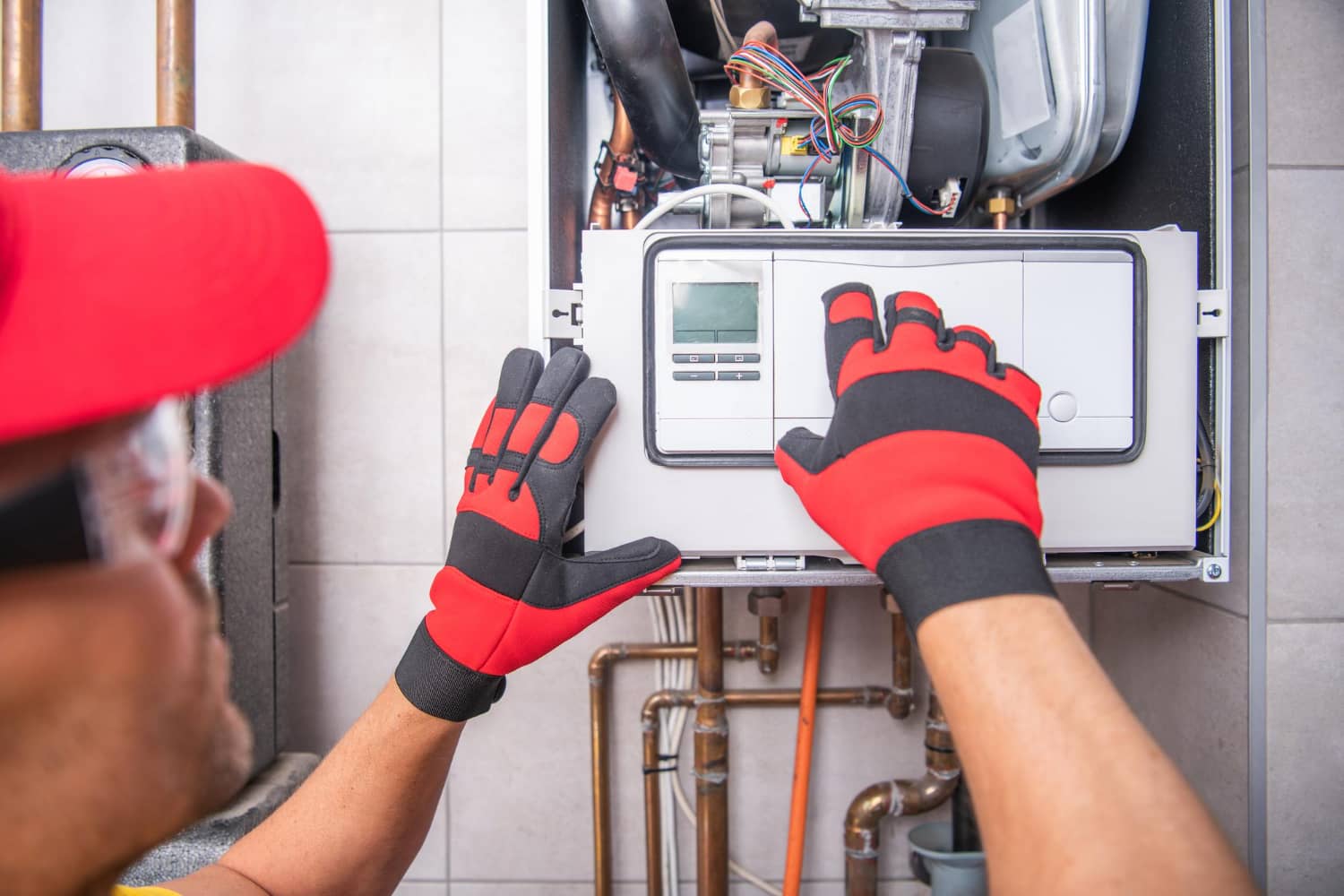
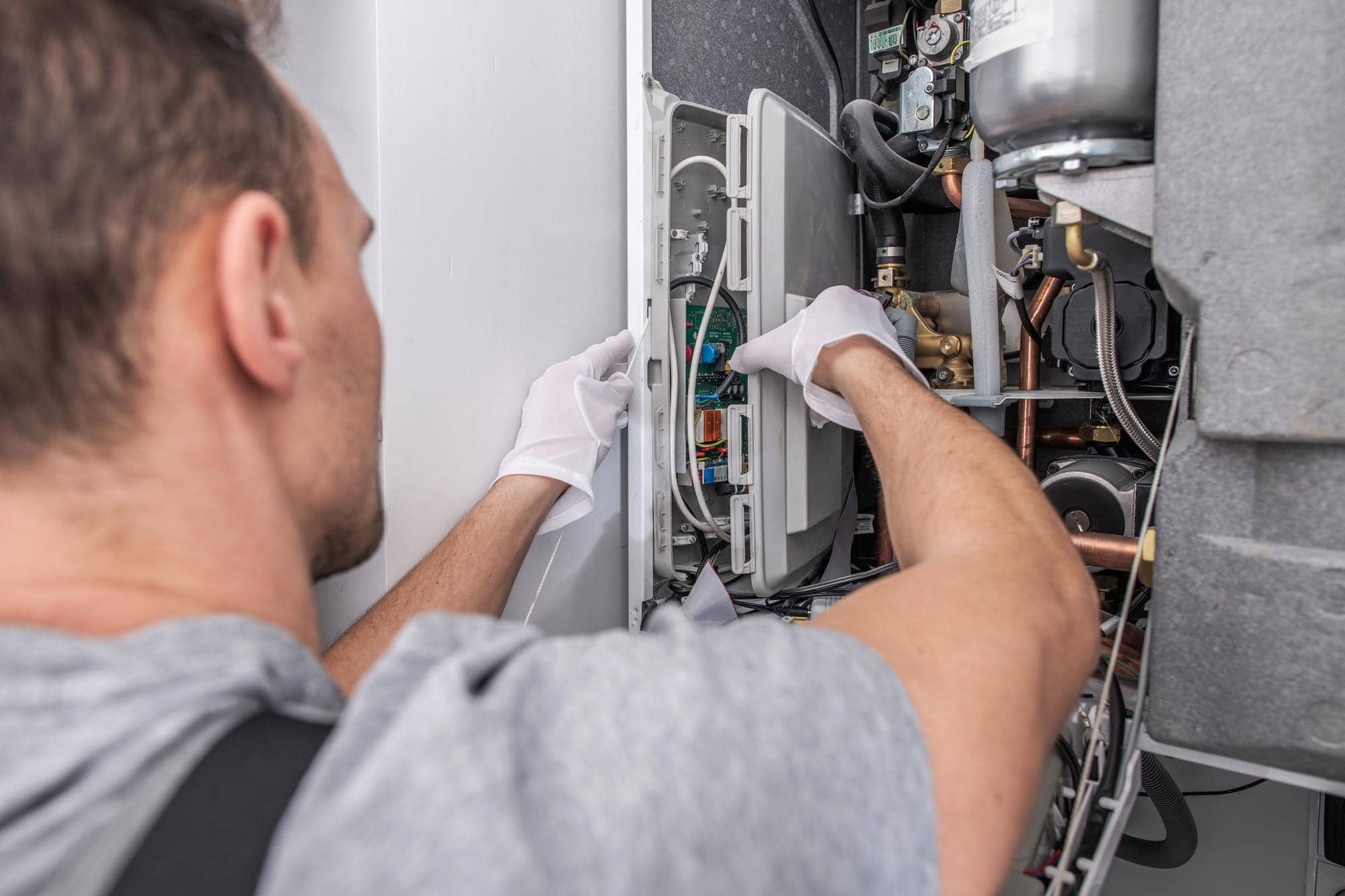
A pre-installation assessment should consider the boiler, the existing heating system and the property itself. The exact checks will depend on the type of replacement and the individual home.
An installer may assess:
- Existing boiler type, location and condition
- Property heating requirements
- Hot water demand
- Existing pipework
- Flue arrangement
- Condensate drainage
- Heating controls
- Boiler access
- Proposed installation position
- Any changes needed to the heating system
These checks provide a clearer picture of what the installation involves.
A quotation based on an appropriate assessment can also make it easier to understand which work is included and whether anything may need to be added.
Why is the existing boiler location important?
The current boiler position can often be used for a replacement, but this should be confirmed rather than assumed.
The installer needs to consider whether there is suitable access around the appliance, whether the flue can be installed correctly and whether condensate drainage can be arranged appropriately.
The position also needs to allow reasonable access for future servicing and maintenance. A location that is convenient for installation but difficult to access later may not be ideal.
If you are considering moving the boiler, tell the installer during the initial assessment. Relocation can involve additional pipework, flue alterations and other work, which should be considered before the quotation is accepted.
If you are unsure whether your current boiler position is suitable, contact Ford Plumbing & Heating to discuss your property and installation requirements before booking the work.
What should be checked about the flue?
The flue is a key part of a gas boiler installation because it carries combustion products safely away from the appliance.
The installer should assess the existing arrangement and determine whether it is suitable for the proposed boiler. If the boiler is being moved, the new flue route will also need to be considered.
The position of the boiler and flue can be affected by the property’s layout and construction. For this reason, a proper assessment is important rather than assuming that an existing flue arrangement can simply be reused.
A suitable installer should explain any proposed changes and identify relevant requirements before the installation date.
Let’s get started, Which fuel powers your boiler?
It just takes 30 Seconds
And then you can book a free consultation
Does existing pipework need to be checked?
Yes. The existing pipework forms part of the heating system and should be assessed when planning a replacement boiler.
Older systems can have different pipe sizes, configurations or arrangements from those expected by a modern appliance. Depending on the proposed boiler and condition of the system, alterations may be required.
This does not mean that every replacement involves extensive pipework changes. The amount of work depends on the property and existing installation.
Pipework checks may consider:
| Area | What the installer is looking for |
| Boiler connections | Whether the proposed appliance can be connected appropriately |
| Gas supply | Whether the supply arrangement is suitable |
| Heating flow and return | Whether the existing system is appropriate for the replacement |
| Condensate | Whether suitable drainage is available |
| Pipe condition | Whether visible sections show signs of deterioration |
| Routing | Whether alterations are needed for the proposed position |
Discussing these matters before the installation helps prevent surprises.
What about the property’s heating and hot water requirements?
A boiler should be selected around the property’s requirements rather than simply replacing an existing appliance with one of similar size.
An installer may consider the size and layout of the home, number of occupants, number of bathrooms and typical hot water usage. The existing heating system can also provide useful information about current performance.
If the household’s needs have changed since the original boiler was installed, this should be mentioned during the assessment.
For example, a property that once had a small household may now have more occupants and greater hot water demand. The replacement system should take the current requirements into account.
Should the installer inspect the heating controls?
Yes. Heating controls affect how the system is operated, so they should be considered alongside the boiler.
An existing thermostat or programmer may be suitable for continued use, but this depends on its condition and compatibility with the proposed boiler. In some cases, updating the controls as part of the installation may be sensible.
The objective should be a control arrangement that works properly with the new appliance and is practical for the household.
What should you know about access before installation?
Access is a practical issue that can be overlooked when arranging a boiler replacement.
The installer needs to reach the existing appliance, bring in the replacement equipment and work safely around the installation area. If pipework or controls are being changed elsewhere in the property, those areas may also need to be accessible.
Before the installation date, it can help to:
- Clear belongings from around the boiler
- Remove items from cupboards that need to be accessed
- Keep access routes reasonably clear
- Identify where controls or pipework will be worked on
- Discuss any restricted-access areas with the installer
This can make the installation process more efficient.
What should a quotation for gas boiler work include?
A quotation should explain what the homeowner is paying for. The exact scope will depend on the property, but it may include the boiler, labour, removal of the old appliance, flue work, pipework alterations, controls and commissioning.
When reviewing a quotation, check for:
- Boiler make and model
- Boiler output
- Installation labour
- Removal of the existing boiler
- Flue work
- Pipework alterations
- Controls
- Condensate connection
- Commissioning
- Certification
- Warranty information
- Any exclusions or potential additional costs
A clear quotation makes it easier to compare different proposals.
How should you choose a gas boiler installer?
Choosing an installer involves more than comparing prices.
For gas work, homeowners should establish that the relevant work will be undertaken by an appropriately qualified Gas Safe registered engineer. It is also worth asking about experience with the type of boiler and heating system being proposed.
A gas boiler installation company should be able to explain the proposed system, the installation requirements and what is included in the quotation.
Useful questions include:
- Who will carry out the gas work?
- Is the engineer appropriately registered?
- Why has this boiler been recommended?
- Will the existing boiler position be retained?
- Are pipework changes required?
- What controls are included?
- What happens if additional work is discovered?
- What documentation will be provided after commissioning?
The answers can help you understand the service before committing.
Ford Plumbing & Heating can discuss your existing heating system and explain the practical considerations that need to be addressed before a new boiler is installed.
What happens if the boiler is being moved?
Moving a boiler can turn a relatively straightforward replacement into a more involved project.
The new position needs to work for the boiler, flue, condensate drainage and servicing access. Pipework may also need to be extended or rerouted.
The installer should explain the additional work before the installation is booked. If the move is mainly for aesthetic reasons, compare the practical benefits with the extra installation requirements.
In some homes, keeping the boiler in its current position may be the simplest approach. In others, relocation may provide useful space or improve the layout.
There is no universal answer, so the property should be assessed individually.
Is a pre-installation survey always necessary?
The level of assessment required depends on the installation. A straightforward replacement may be relatively simple, while a system change or relocation can require considerably more planning.
However, checking the property before booking provides useful information in either situation.
A proper assessment can help establish:
- Whether the proposed boiler is suitable
- Whether the current position can be retained
- Whether pipework needs changing
- Whether the flue arrangement is appropriate
- Whether controls should be updated
- Whether access could present difficulties
- What should be included in the quotation
This information gives the homeowner a clearer understanding of the project.
A typical Bath installation scenario
Consider a homeowner in a traditional Bath property who wants to replace an ageing gas boiler. The existing appliance is positioned in a kitchen cupboard and appears to be a straightforward replacement.
During the assessment, the installer checks the boiler position, flue route, condensate drainage, pipework and access. The position is suitable for the proposed appliance, but the controls are outdated and need to be considered as part of the replacement.
Because these details are identified before installation day, the homeowner can understand the complete scope of work and prepare the property accordingly.
What should you do before confirming the installation date?
Once the assessment and quotation are complete, take a moment to review the details.
Make sure the proposed boiler model and output are clear, the installation position is confirmed and any pipework or control changes are explained. Check whether removal of the existing boiler is included and ask how any unexpected work would be handled.
You should also understand the expected disruption. Heating and hot water may be unavailable for part of the installation, so knowing the likely timescale can help you plan.
What if an installer recommends additional work?
Additional work is not necessarily a problem. Existing systems can contain components that require attention once the installation requirements are assessed.
What matters is that the reason for the recommendation is explained clearly. Ask what the work involves, why it is required and how it affects the total quotation.
If the work was not included in the original quotation, clarify the additional cost before authorising it.
A transparent conversation at this stage can prevent misunderstandings later.
Conclusion: A Good Installation Starts With a Proper Assessment
A gas boiler replacement should be planned around the property rather than treated as a simple appliance swap. Checking the boiler position, flue, pipework, controls, access and heating requirements before booking can help establish what the installation actually involves.
For homeowners researching gas boiler installation bath, a detailed assessment can provide useful clarity before work begins. Choosing an appropriate gas boiler installation company also means checking who will carry out the work and making sure the quotation clearly explains its scope.
Ford Plumbing & Heating can help homeowners understand the practical requirements of a new boiler installation and discuss suitable options for their property.
If you are planning a replacement gas boiler, contact Ford Plumbing & Heating to arrange tailored advice and discuss your installation requirements.
Related articles
Let’s get started, Which fuel powers your boiler?
At a glance
A thorough pre-installation check can identify practical issues early, from the condition of existing pipework to flue arrangements and access. It can also help ensure that the quotation reflects the work that is actually required.
If you are planning gas boiler installation bath, understanding what an installer should check can help you ask the right questions and prepare your property before the work is booked.
What should an installer check before booking the work?
A pre-installation assessment should consider the boiler, the existing heating system and the property itself. The exact checks will depend on the type of replacement and the individual home.
An installer may assess:
- Existing boiler type, location and condition
- Property heating requirements
- Hot water demand
- Existing pipework
- Flue arrangement
- Condensate drainage
- Heating controls
- Boiler access
- Proposed installation position
- Any changes needed to the heating system
These checks provide a clearer picture of what the installation involves.
A quotation based on an appropriate assessment can also make it easier to understand which work is included and whether anything may need to be added.
Why is the existing boiler location important?
The current boiler position can often be used for a replacement, but this should be confirmed rather than assumed.
The installer needs to consider whether there is suitable access around the appliance, whether the flue can be installed correctly and whether condensate drainage can be arranged appropriately.
The position also needs to allow reasonable access for future servicing and maintenance. A location that is convenient for installation but difficult to access later may not be ideal.
If you are considering moving the boiler, tell the installer during the initial assessment. Relocation can involve additional pipework, flue alterations and other work, which should be considered before the quotation is accepted.
If you are unsure whether your current boiler position is suitable, contact Ford Plumbing & Heating to discuss your property and installation requirements before booking the work.
What should be checked about the flue?
The flue is a key part of a gas boiler installation because it carries combustion products safely away from the appliance.
The installer should assess the existing arrangement and determine whether it is suitable for the proposed boiler. If the boiler is being moved, the new flue route will also need to be considered.
The position of the boiler and flue can be affected by the property’s layout and construction. For this reason, a proper assessment is important rather than assuming that an existing flue arrangement can simply be reused.
A suitable installer should explain any proposed changes and identify relevant requirements before the installation date.
Let’s get started, Which fuel powers your boiler?
It just takes 30 Seconds
And then you can book a free consultation
Does existing pipework need to be checked?
Yes. The existing pipework forms part of the heating system and should be assessed when planning a replacement boiler.
Older systems can have different pipe sizes, configurations or arrangements from those expected by a modern appliance. Depending on the proposed boiler and condition of the system, alterations may be required.
This does not mean that every replacement involves extensive pipework changes. The amount of work depends on the property and existing installation.
Pipework checks may consider:
| Area | What the installer is looking for |
| Boiler connections | Whether the proposed appliance can be connected appropriately |
| Gas supply | Whether the supply arrangement is suitable |
| Heating flow and return | Whether the existing system is appropriate for the replacement |
| Condensate | Whether suitable drainage is available |
| Pipe condition | Whether visible sections show signs of deterioration |
| Routing | Whether alterations are needed for the proposed position |
Discussing these matters before the installation helps prevent surprises.
What about the property’s heating and hot water requirements?
A boiler should be selected around the property’s requirements rather than simply replacing an existing appliance with one of similar size.
An installer may consider the size and layout of the home, number of occupants, number of bathrooms and typical hot water usage. The existing heating system can also provide useful information about current performance.
If the household’s needs have changed since the original boiler was installed, this should be mentioned during the assessment.
For example, a property that once had a small household may now have more occupants and greater hot water demand. The replacement system should take the current requirements into account.
Should the installer inspect the heating controls?
Yes. Heating controls affect how the system is operated, so they should be considered alongside the boiler.
An existing thermostat or programmer may be suitable for continued use, but this depends on its condition and compatibility with the proposed boiler. In some cases, updating the controls as part of the installation may be sensible.
The objective should be a control arrangement that works properly with the new appliance and is practical for the household.
What should you know about access before installation?
Access is a practical issue that can be overlooked when arranging a boiler replacement.
The installer needs to reach the existing appliance, bring in the replacement equipment and work safely around the installation area. If pipework or controls are being changed elsewhere in the property, those areas may also need to be accessible.
Before the installation date, it can help to:
- Clear belongings from around the boiler
- Remove items from cupboards that need to be accessed
- Keep access routes reasonably clear
- Identify where controls or pipework will be worked on
- Discuss any restricted-access areas with the installer
This can make the installation process more efficient.
What should a quotation for gas boiler work include?
A quotation should explain what the homeowner is paying for. The exact scope will depend on the property, but it may include the boiler, labour, removal of the old appliance, flue work, pipework alterations, controls and commissioning.
When reviewing a quotation, check for:
- Boiler make and model
- Boiler output
- Installation labour
- Removal of the existing boiler
- Flue work
- Pipework alterations
- Controls
- Condensate connection
- Commissioning
- Certification
- Warranty information
- Any exclusions or potential additional costs
A clear quotation makes it easier to compare different proposals.
How should you choose a gas boiler installer?
Choosing an installer involves more than comparing prices.
For gas work, homeowners should establish that the relevant work will be undertaken by an appropriately qualified Gas Safe registered engineer. It is also worth asking about experience with the type of boiler and heating system being proposed.
A gas boiler installation company should be able to explain the proposed system, the installation requirements and what is included in the quotation.
Useful questions include:
- Who will carry out the gas work?
- Is the engineer appropriately registered?
- Why has this boiler been recommended?
- Will the existing boiler position be retained?
- Are pipework changes required?
- What controls are included?
- What happens if additional work is discovered?
- What documentation will be provided after commissioning?
The answers can help you understand the service before committing.
Ford Plumbing & Heating can discuss your existing heating system and explain the practical considerations that need to be addressed before a new boiler is installed.
What happens if the boiler is being moved?
Moving a boiler can turn a relatively straightforward replacement into a more involved project.
The new position needs to work for the boiler, flue, condensate drainage and servicing access. Pipework may also need to be extended or rerouted.
The installer should explain the additional work before the installation is booked. If the move is mainly for aesthetic reasons, compare the practical benefits with the extra installation requirements.
In some homes, keeping the boiler in its current position may be the simplest approach. In others, relocation may provide useful space or improve the layout.
There is no universal answer, so the property should be assessed individually.
Is a pre-installation survey always necessary?
The level of assessment required depends on the installation. A straightforward replacement may be relatively simple, while a system change or relocation can require considerably more planning.
However, checking the property before booking provides useful information in either situation.
A proper assessment can help establish:
- Whether the proposed boiler is suitable
- Whether the current position can be retained
- Whether pipework needs changing
- Whether the flue arrangement is appropriate
- Whether controls should be updated
- Whether access could present difficulties
- What should be included in the quotation
This information gives the homeowner a clearer understanding of the project.
A typical Bath installation scenario
Consider a homeowner in a traditional Bath property who wants to replace an ageing gas boiler. The existing appliance is positioned in a kitchen cupboard and appears to be a straightforward replacement.
During the assessment, the installer checks the boiler position, flue route, condensate drainage, pipework and access. The position is suitable for the proposed appliance, but the controls are outdated and need to be considered as part of the replacement.
Because these details are identified before installation day, the homeowner can understand the complete scope of work and prepare the property accordingly.
What should you do before confirming the installation date?
Once the assessment and quotation are complete, take a moment to review the details.
Make sure the proposed boiler model and output are clear, the installation position is confirmed and any pipework or control changes are explained. Check whether removal of the existing boiler is included and ask how any unexpected work would be handled.
You should also understand the expected disruption. Heating and hot water may be unavailable for part of the installation, so knowing the likely timescale can help you plan.
What if an installer recommends additional work?
Additional work is not necessarily a problem. Existing systems can contain components that require attention once the installation requirements are assessed.
What matters is that the reason for the recommendation is explained clearly. Ask what the work involves, why it is required and how it affects the total quotation.
If the work was not included in the original quotation, clarify the additional cost before authorising it.
A transparent conversation at this stage can prevent misunderstandings later.
Conclusion: A Good Installation Starts With a Proper Assessment
A gas boiler replacement should be planned around the property rather than treated as a simple appliance swap. Checking the boiler position, flue, pipework, controls, access and heating requirements before booking can help establish what the installation actually involves.
For homeowners researching gas boiler installation bath, a detailed assessment can provide useful clarity before work begins. Choosing an appropriate gas boiler installation company also means checking who will carry out the work and making sure the quotation clearly explains its scope.
Ford Plumbing & Heating can help homeowners understand the practical requirements of a new boiler installation and discuss suitable options for their property.
If you are planning a replacement gas boiler, contact Ford Plumbing & Heating to arrange tailored advice and discuss your installation requirements.