Comparing Boiler Installation Companies: A Simple Checklist for Bath Homeowners
Choosing an installer is an important part of planning a new boiler. The appliance itself may receive most of the attention, but the quality and scope of the installation can affect how well the complete heating system performs.

Why you can trust our content
We understand that the boiler industry can be confusing, with plenty of outdated or misleading information. That’s why we rely only on trusted, proven sources to guide our advice and installations:
At a glance
A sensible comparison starts with more than the price at the bottom of a quotation. Homeowners should consider who will carry out the work, whether the proposed boiler suits the property, what is included in the installation and what support is available afterwards.
If you are comparing best boiler installation companies, a structured checklist can help you assess what each installer is actually offering without getting distracted by headline prices or vague promises.
What should you compare when choosing a boiler installer?
There are several areas worth checking before deciding who to contact or request a quotation from.
Look at:
- Relevant qualifications and registrations
- Experience with your type of heating system
- Boiler brands and models offered
- Property assessment process
- Installation scope
- Quotation detail
- Heating controls
- Commissioning and certification
- Warranty information
- Aftercare arrangements
- Communication before and during the installation
These factors can tell you much more about the proposed service than a simple advertised starting price.
Are the installer’s qualifications and registrations important?
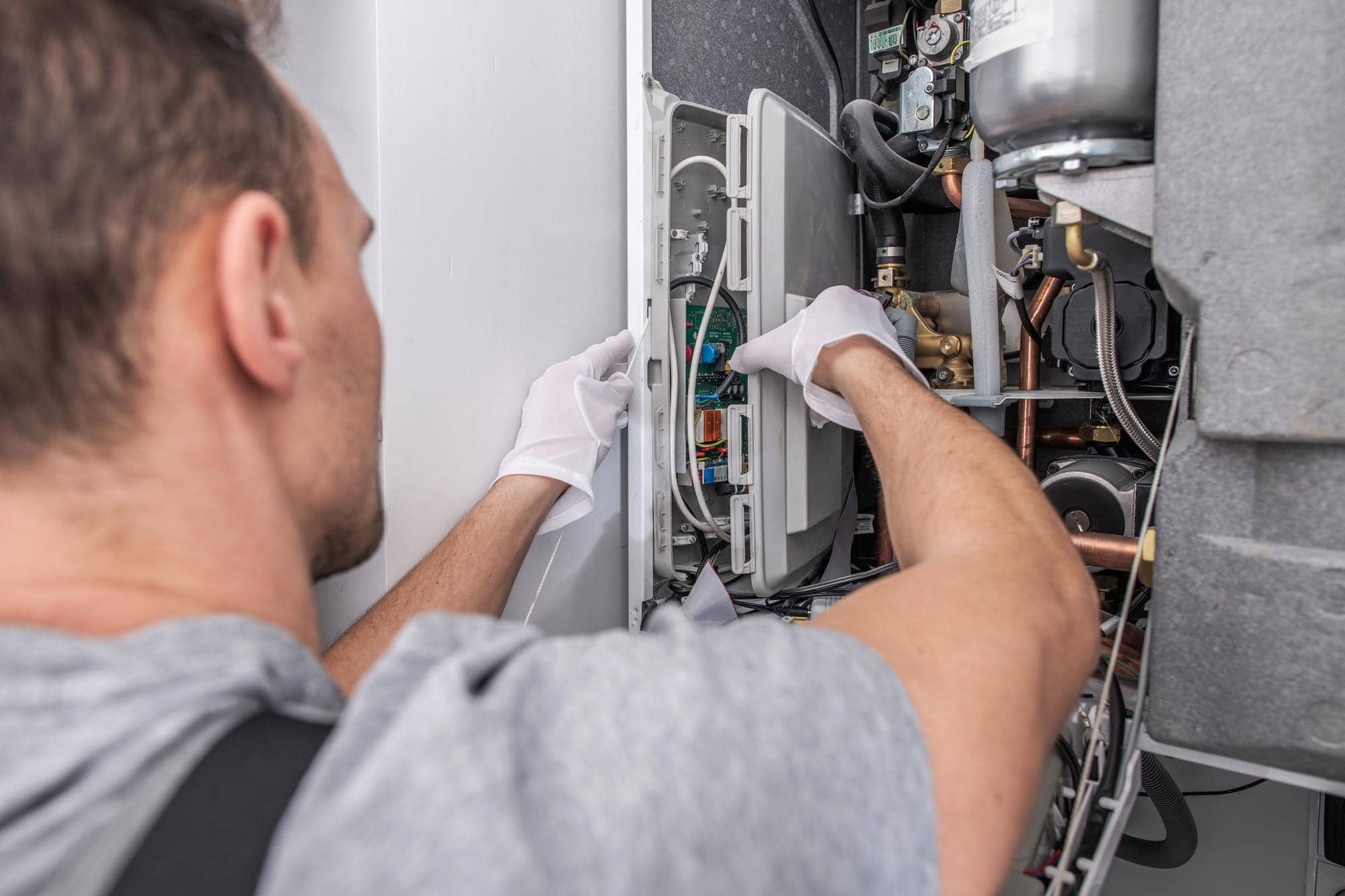
Yes. Gas boiler work should be carried out by an appropriately qualified Gas Safe registered engineer.
Homeowners can ask who will undertake the gas work and check the relevant registration details. If other specialist work forms part of the installation, ask what qualifications are relevant to those elements too.
This is particularly important when comparing best boiler installation companies, because two quotations may appear similar while the actual credentials, responsibilities and installation arrangements differ.
Do not be afraid to ask direct questions about who will carry out the work. A reputable installer should be able to explain the arrangements clearly.
Does the installer assess your property before quoting?
A property assessment can provide valuable information that a generic price cannot.
The installer may need to look at the current boiler, pipework, flue, heating controls, hot water requirements and proposed boiler position. The size and layout of the property can also influence the boiler selection.
A detailed assessment helps identify whether the installation is likely to be straightforward or whether additional work may be required.
This is particularly useful for older properties, unusual heating layouts or installations where the boiler is being moved.
If you are unsure what your property needs, contact Ford Plumbing & Heating to discuss your current heating system and arrange appropriate advice.
What should a boiler quotation tell you?
A useful quotation should give you enough information to understand what you are paying for.
Rather than simply stating a total price, it should identify the proposed boiler and outline the main installation work.
| Quotation detail | What to check |
| Boiler | Make, model and output |
| Labour | Whether installation labour is included |
| Existing boiler | Removal and disposal arrangements |
| Flue | Whether installation or alterations are included |
| Pipework | Any necessary changes or upgrades |
| Controls | What thermostat or controls are supplied |
| Commissioning | Whether the completed boiler will be commissioned |
| Certification | What documentation will be provided |
| Warranty | What manufacturer and installation cover applies |
| Additional work | How unexpected requirements will be handled |
The more clearly these details are explained, the easier it is to compare quotations on a like-for-like basis.
Should you compare boiler brands as well as installers?
Yes, but the brand should not be considered in isolation.
Different boilers have different specifications, dimensions, outputs, controls compatibility and warranty arrangements. The appropriate model depends on the property and household rather than simply choosing a well-known name.
Ask the installer why a particular boiler has been recommended.
A useful explanation should relate to factors such as:
- Property size
- Heating demand
- Hot water requirements
- Number of bathrooms
- Available installation space
- Existing system
- Expected usage
This gives you context for the recommendation instead of leaving you to compare technical specifications without knowing which are relevant.
How important is the installation method?
The installation itself deserves as much attention as the appliance specification.
A replacement boiler may require changes to pipework, flue arrangements, condensate drainage or heating controls. If the appliance is being relocated, the scope can be more involved.
Ask whether the quotation covers all expected installation work and whether any parts of the project have been excluded.
A clear discussion before the work begins can reduce the likelihood of disagreements about what was included.
Let’s get started, Which fuel powers your boiler?
It just takes 30 Seconds
And then you can book a free consultation
What questions should you ask potential installers?
You do not need specialist heating knowledge to compare installers effectively.
Start with straightforward questions:
- Who will carry out the installation?
- Is the relevant gas work covered by the engineer’s registration?
- Why is this boiler suitable for my property?
- Will the current boiler position be retained?
- Are any pipework changes expected?
- Are heating controls included?
- What happens if additional work is discovered?
- Is removal of the old boiler included?
- What certification will I receive?
- Who should I contact after installation if there is a problem?
The answers can reveal whether the proposed service has been properly considered.
What should you look for in communication?
Communication can be an overlooked part of choosing an installer.
Before booking, notice whether your questions are answered clearly and whether the quotation is explained in terms you can understand. You should know what is being proposed before agreeing to the work.
Good communication also means being clear about practical matters such as installation dates, expected disruption and access requirements.
If information is unclear, ask for clarification rather than making assumptions.
Do online reviews tell you everything?
Reviews can provide useful information about previous customer experiences, but they should be considered alongside other evidence.
Look for patterns in comments about communication, punctuality, workmanship and how issues were handled. However, a small collection of reviews cannot provide a complete picture of every installation.
You can also consider whether the installer provides clear information about qualifications, boiler options, quotations and aftercare.
When researching boiler installation companies, it is more useful to consider several sources of information rather than relying on one review or rating.
Ford Plumbing & Heating can explain the proposed installation, the boiler options available and the practical work involved, so you can understand the quotation before making a decision.
Should the cheapest quotation automatically be your choice?
Price is an important consideration, but it is difficult to compare prices properly when the scope of work differs.
For example, one quotation may include upgraded controls, removal of the old appliance and additional pipework while another may exclude some of these items.
A lower figure can therefore look attractive without representing the same service.
Instead, compare:
- The boiler model
- Installation scope
- Controls
- Pipework
- Flue work
- Removal and disposal
- Commissioning
- Certification
- Warranty
- Potential additional costs
This approach gives you a clearer picture of the overall proposal.
What about aftercare and warranties?
Ask what happens once the installation is complete.
The boiler manufacturer will usually provide information about its product warranty, while installation-related cover can depend on the installer and the terms agreed.
Find out:
- What warranty applies to the boiler
- Whether there is separate installation cover
- What conditions apply
- Who handles warranty queries
- What documentation you should retain
- Who to contact if an issue develops
Understanding these details before booking is preferable to trying to establish them after a problem occurs.
How can you create a simple installer comparison?
A basic checklist can keep the comparison objective.
For each quotation, record the same information:
| Comparison point | Installer A | Installer B | Installer C |
| Boiler model | |||
| Boiler output | |||
| Total price | |||
| Controls included | |||
| Pipework included | |||
| Flue work included | |||
| Old boiler removal | |||
| Certification | |||
| Warranty information | |||
| Additional costs explained |
This does not tell you which installer to choose. Instead, it helps make differences between proposals easier to identify.
What should you check before booking?
Before confirming an installation, make sure you understand the complete proposal.
You should know which boiler is being supplied, why it has been recommended and where it will be installed. The quotation should also explain the main installation work and identify anything that is excluded.
Confirm the expected installation date and ask what preparation is needed inside the property.
If additional work becomes necessary, establish whether you will be contacted before it is carried out and how the extra cost will be agreed.
A typical Bath homeowner comparison
Imagine a homeowner who receives two quotations for a boiler replacement. Both proposals appear to offer a similar boiler and installation price.
On closer inspection, one quotation includes new controls and removal of the old appliance, while the other treats these as additional items. The homeowner also discovers that one installer has assessed the property in person while the other has based the initial proposal on limited information.
Rather than comparing only the headline figures, the homeowner can now see the differences in scope and ask each installer for clarification.
This type of comparison can make the decision process more straightforward.
How should you approach the search for an installer?
Start by identifying what your property needs. If you know whether you are replacing a combi, system or regular boiler, and whether you want to retain the existing position, you can ask more specific questions.
Then gather quotations that provide enough detail for a genuine comparison.
When researching the best boiler installation companies, remember that “best” can mean different things to different homeowners. Some may focus on price, others on the proposed boiler, installation scope, qualifications or aftercare.
A clear comparison allows you to decide which factors matter most for your own circumstances without relying on a single headline claim.
If you are planning a new boiler and would like to discuss your home’s requirements, contact Ford Plumbing & Heating for tailored guidance and a clear quotation.
Conclusion: A Good Installation Starts With a Proper Assessment
A gas boiler replacement should be planned around the property rather than treated as a simple appliance swap. Checking the boiler position, flue, pipework, controls, access and heating requirements before booking can help establish what the installation actually involves.
For homeowners researching gas boiler installation bath, a detailed assessment can provide useful clarity before work begins. Choosing an appropriate gas boiler installation company also means checking who will carry out the work and making sure the quotation clearly explains its scope.
Ford Plumbing & Heating can help homeowners understand the practical requirements of a new boiler installation and discuss suitable options for their property.
If you are planning a replacement gas boiler, contact Ford Plumbing & Heating to arrange tailored advice and discuss your installation requirements.
Related articles
Let’s get started, Which fuel powers your boiler?
At a glance
A sensible comparison starts with more than the price at the bottom of a quotation. Homeowners should consider who will carry out the work, whether the proposed boiler suits the property, what is included in the installation and what support is available afterwards.
If you are comparing best boiler installation companies, a structured checklist can help you assess what each installer is actually offering without getting distracted by headline prices or vague promises.
What should you compare when choosing a boiler installer?
There are several areas worth checking before deciding who to contact or request a quotation from.
Look at:
- Relevant qualifications and registrations
- Experience with your type of heating system
- Boiler brands and models offered
- Property assessment process
- Installation scope
- Quotation detail
- Heating controls
- Commissioning and certification
- Warranty information
- Aftercare arrangements
- Communication before and during the installation
These factors can tell you much more about the proposed service than a simple advertised starting price.
Are the installer’s qualifications and registrations important?
Yes. Gas boiler work should be carried out by an appropriately qualified Gas Safe registered engineer.
Homeowners can ask who will undertake the gas work and check the relevant registration details. If other specialist work forms part of the installation, ask what qualifications are relevant to those elements too.
This is particularly important when comparing best boiler installation companies, because two quotations may appear similar while the actual credentials, responsibilities and installation arrangements differ.
Do not be afraid to ask direct questions about who will carry out the work. A reputable installer should be able to explain the arrangements clearly.
Does the installer assess your property before quoting?
A property assessment can provide valuable information that a generic price cannot.
The installer may need to look at the current boiler, pipework, flue, heating controls, hot water requirements and proposed boiler position. The size and layout of the property can also influence the boiler selection.
A detailed assessment helps identify whether the installation is likely to be straightforward or whether additional work may be required.
This is particularly useful for older properties, unusual heating layouts or installations where the boiler is being moved.
If you are unsure what your property needs, contact Ford Plumbing & Heating to discuss your current heating system and arrange appropriate advice.
What should a boiler quotation tell you?
A useful quotation should give you enough information to understand what you are paying for.
Rather than simply stating a total price, it should identify the proposed boiler and outline the main installation work.
| Quotation detail | What to check |
| Boiler | Make, model and output |
| Labour | Whether installation labour is included |
| Existing boiler | Removal and disposal arrangements |
| Flue | Whether installation or alterations are included |
| Pipework | Any necessary changes or upgrades |
| Controls | What thermostat or controls are supplied |
| Commissioning | Whether the completed boiler will be commissioned |
| Certification | What documentation will be provided |
| Warranty | What manufacturer and installation cover applies |
| Additional work | How unexpected requirements will be handled |
The more clearly these details are explained, the easier it is to compare quotations on a like-for-like basis.
Should you compare boiler brands as well as installers?
Yes, but the brand should not be considered in isolation.
Different boilers have different specifications, dimensions, outputs, controls compatibility and warranty arrangements. The appropriate model depends on the property and household rather than simply choosing a well-known name.
Ask the installer why a particular boiler has been recommended.
A useful explanation should relate to factors such as:
- Property size
- Heating demand
- Hot water requirements
- Number of bathrooms
- Available installation space
- Existing system
- Expected usage
This gives you context for the recommendation instead of leaving you to compare technical specifications without knowing which are relevant.
How important is the installation method?
The installation itself deserves as much attention as the appliance specification.
A replacement boiler may require changes to pipework, flue arrangements, condensate drainage or heating controls. If the appliance is being relocated, the scope can be more involved.
Ask whether the quotation covers all expected installation work and whether any parts of the project have been excluded.
A clear discussion before the work begins can reduce the likelihood of disagreements about what was included.
Let’s get started, Which fuel powers your boiler?
It just takes 30 Seconds
And then you can book a free consultation
What questions should you ask potential installers?
You do not need specialist heating knowledge to compare installers effectively.
Start with straightforward questions:
- Who will carry out the installation?
- Is the relevant gas work covered by the engineer’s registration?
- Why is this boiler suitable for my property?
- Will the current boiler position be retained?
- Are any pipework changes expected?
- Are heating controls included?
- What happens if additional work is discovered?
- Is removal of the old boiler included?
- What certification will I receive?
- Who should I contact after installation if there is a problem?
The answers can reveal whether the proposed service has been properly considered.
What should you look for in communication?
Communication can be an overlooked part of choosing an installer.
Before booking, notice whether your questions are answered clearly and whether the quotation is explained in terms you can understand. You should know what is being proposed before agreeing to the work.
Good communication also means being clear about practical matters such as installation dates, expected disruption and access requirements.
If information is unclear, ask for clarification rather than making assumptions.
Do online reviews tell you everything?
Reviews can provide useful information about previous customer experiences, but they should be considered alongside other evidence.
Look for patterns in comments about communication, punctuality, workmanship and how issues were handled. However, a small collection of reviews cannot provide a complete picture of every installation.
You can also consider whether the installer provides clear information about qualifications, boiler options, quotations and aftercare.
When researching boiler installation companies, it is more useful to consider several sources of information rather than relying on one review or rating.
Ford Plumbing & Heating can explain the proposed installation, the boiler options available and the practical work involved, so you can understand the quotation before making a decision.
Should the cheapest quotation automatically be your choice?
Price is an important consideration, but it is difficult to compare prices properly when the scope of work differs.
For example, one quotation may include upgraded controls, removal of the old appliance and additional pipework while another may exclude some of these items.
A lower figure can therefore look attractive without representing the same service.
Instead, compare:
- The boiler model
- Installation scope
- Controls
- Pipework
- Flue work
- Removal and disposal
- Commissioning
- Certification
- Warranty
- Potential additional costs
This approach gives you a clearer picture of the overall proposal.
What about aftercare and warranties?
Ask what happens once the installation is complete.
The boiler manufacturer will usually provide information about its product warranty, while installation-related cover can depend on the installer and the terms agreed.
Find out:
- What warranty applies to the boiler
- Whether there is separate installation cover
- What conditions apply
- Who handles warranty queries
- What documentation you should retain
- Who to contact if an issue develops
Understanding these details before booking is preferable to trying to establish them after a problem occurs.
How can you create a simple installer comparison?
A basic checklist can keep the comparison objective.
For each quotation, record the same information:
| Comparison point | Installer A | Installer B | Installer C |
| Boiler model | |||
| Boiler output | |||
| Total price | |||
| Controls included | |||
| Pipework included | |||
| Flue work included | |||
| Old boiler removal | |||
| Certification | |||
| Warranty information | |||
| Additional costs explained |
This does not tell you which installer to choose. Instead, it helps make differences between proposals easier to identify.
What should you check before booking?
Before confirming an installation, make sure you understand the complete proposal.
You should know which boiler is being supplied, why it has been recommended and where it will be installed. The quotation should also explain the main installation work and identify anything that is excluded.
Confirm the expected installation date and ask what preparation is needed inside the property.
If additional work becomes necessary, establish whether you will be contacted before it is carried out and how the extra cost will be agreed.
A typical Bath homeowner comparison
Imagine a homeowner who receives two quotations for a boiler replacement. Both proposals appear to offer a similar boiler and installation price.
On closer inspection, one quotation includes new controls and removal of the old appliance, while the other treats these as additional items. The homeowner also discovers that one installer has assessed the property in person while the other has based the initial proposal on limited information.
Rather than comparing only the headline figures, the homeowner can now see the differences in scope and ask each installer for clarification.
This type of comparison can make the decision process more straightforward.
How should you approach the search for an installer?
Start by identifying what your property needs. If you know whether you are replacing a combi, system or regular boiler, and whether you want to retain the existing position, you can ask more specific questions.
Then gather quotations that provide enough detail for a genuine comparison.
When researching the best boiler installation companies, remember that “best” can mean different things to different homeowners. Some may focus on price, others on the proposed boiler, installation scope, qualifications or aftercare.
A clear comparison allows you to decide which factors matter most for your own circumstances without relying on a single headline claim.
If you are planning a new boiler and would like to discuss your home’s requirements, contact Ford Plumbing & Heating for tailored guidance and a clear quotation.
Conclusion: A Good Installation Starts With a Proper Assessment
A gas boiler replacement should be planned around the property rather than treated as a simple appliance swap. Checking the boiler position, flue, pipework, controls, access and heating requirements before booking can help establish what the installation actually involves.
For homeowners researching gas boiler installation bath, a detailed assessment can provide useful clarity before work begins. Choosing an appropriate gas boiler installation company also means checking who will carry out the work and making sure the quotation clearly explains its scope.
Ford Plumbing & Heating can help homeowners understand the practical requirements of a new boiler installation and discuss suitable options for their property.
If you are planning a replacement gas boiler, contact Ford Plumbing & Heating to arrange tailored advice and discuss your installation requirements.