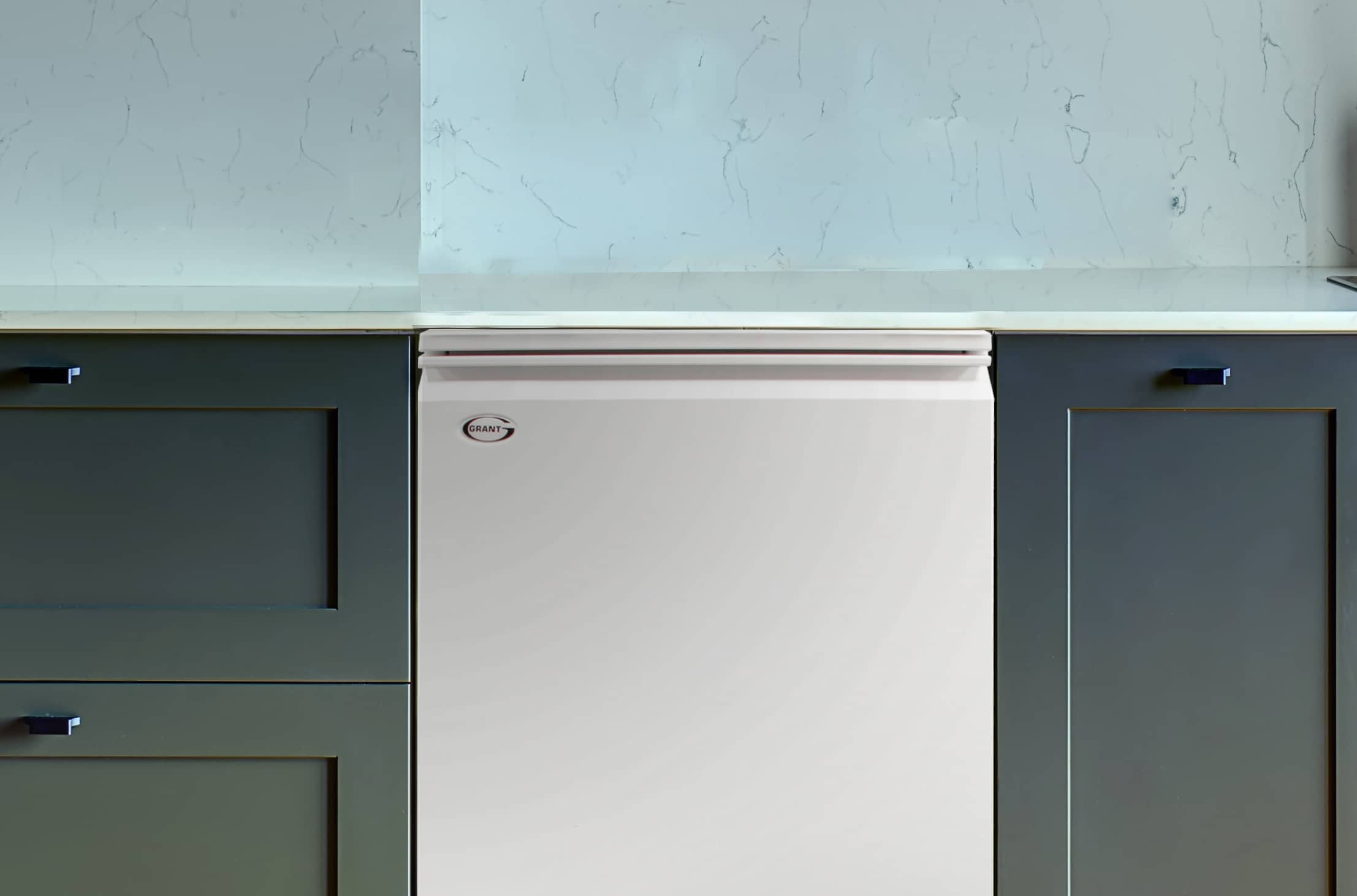
Modern Oil Boilers – A Reliable Heating Solution For Homes Across Wiltshire
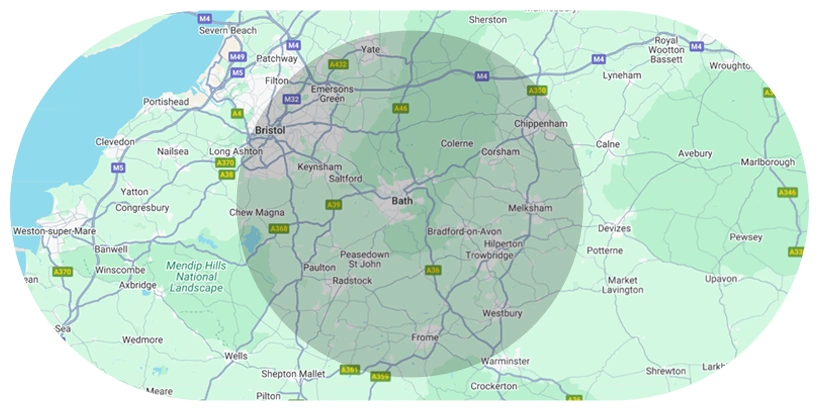
An efficient and reliable heating system is essential for homes in Bath, Bristol and the surrounding towns, especially in rural areas where many properties are off the main gas network.

Why you can trust our content
We understand that the boiler industry can be confusing, with plenty of outdated or misleading information. That’s why we rely only on trusted, proven sources to guide our advice and installations:
At a glance
Oil boilers have long been a popular choice for these homes, offering dependable heating and hot water all year round. Despite the rise of renewable energy systems and other alternatives, oil boilers continue to be a practical and effective solution, particularly for those living in the countryside.
Modern oil-fired boilers have undergone significant advancements in recent years, becoming more energy-efficient and environmentally friendly. They are designed to maximise fuel usage while minimising waste, helping homeowners reduce both their energy bills and carbon footprint.
Let’s dive into everything you need to know about oil boilers, including their benefits, recent advancements, and what to consider when installing or upgrading your system. Whether you’re looking to replace an old unit or install a brand-new boiler, this guide will help you make the best choice for your Wiltshire home.
Oil Boiler Efficiency
In regions like Wiltshire, where many homes are off the main gas network, oil-fired boilers offer a reliable and efficient heating solution. They provide consistent warmth and hot water, making them a preferred choice for numerous households.
Advancements in technology have led to the development of high-efficiency condensing oil boilers. These modern units boast efficiencies of over 90%, ensuring homeowners get maximum heat output from their fuel. This efficiency translates to reduced fuel consumption and lower energy bills.
Comparing Gas Boilers With Oil Boilers
The primary difference between an oil boiler and a gas boiler lies in the fuel they use and how they are suited to different homes. Here’s a detailed comparison:
1. Fuel Source
• Oil Boiler: Runs on heating oil, which is stored in a tank on the property. Homeowners need to arrange for oil deliveries and monitor tank levels to ensure they don’t run out of fuel.
• Gas Boiler: Connected to the main gas network, drawing a constant supply of natural gas directly, so there’s no need for storage or deliveries.
2. Suitability
• Oil Boiler: Ideal for homes in rural or remote areas, where properties are not connected to the main gas grid.
• Gas Boiler: More common in urban and suburban areas where homes are linked to the gas network.
3. Running Cost
• Oil Boiler: Heating oil prices can fluctuate significantly,making it difficult to budget. However, oil boilers tend to have higher efficiency ratings, which can offset fuel costs.
• Gas Boiler: Gas is generally cheaper than oil per kilowatt-hour, and the absence of a storage tank reduces the upfront installation cost.
4. Efficiency
• Modern condensing oil boilers and condensing gas boilers are both highly efficient, often exceeding 90% efficiency. However, oil boilers typically offer slightly higher efficiency due to their fuel’s higher energy content.
5. Environmental Impact
• Oil Boiler: Burning oil produces higher carbon emissions than natural gas. However, advancements in technology and the use of biofuels are reducing the environmental impact of oil heating.
• Gas Boiler: While cleaner than oil, gas is still a fossil fuel and contributes to greenhouse gas emissions. The UK government is phasing out new gas boilers by 2035 to encourage greener alternatives.
6. Maintenance and Lifespan
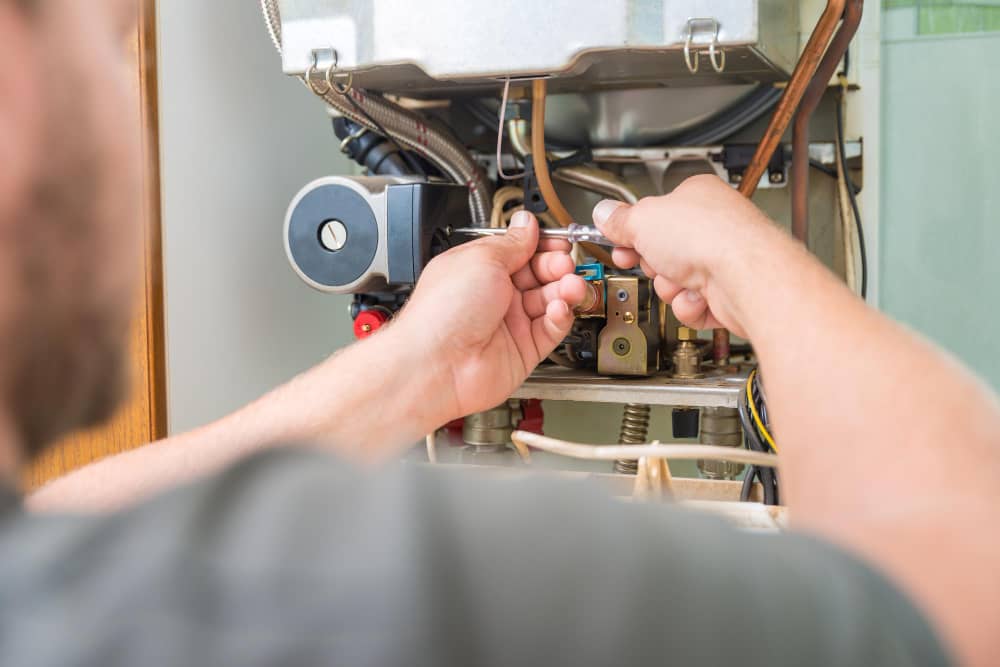
• Oil Boiler: Requires regular servicing to clean soot and ensure the system is running safely and efficiently. Oil tanks may also need maintenance to prevent leaks or corrosion.
• Gas Boiler: Also requires annual servicing, but since gas burns cleaner than oil, maintenance might be slightly less intensive.
Oil Boiler Regulations and Compliance
In the UK, building regulations mandate that newly installed oil-fired boilers must be condensing models. Additionally, proper installation is crucial. For instance, external oil boilers should maintain a minimum clearance of 1 meter from any building openings like windows, doors and vents to ensure safety and adequate ventilation.
The UK government has set ambitious targets to reduce carbon emissions, which include phasing out the installation of new oil boilers by 2035. This initiative aims to encourage the adoption of low-carbon heating alternatives. However, existing oil boilers can continue to be used and maintained beyond this date.
Final Thoughts
Oil boilers remain a practical and efficient heating solution for many homes in Wiltshire. At Ford Plumbing and Heating, we are happy to assess your current heating system and discuss whether a new oil boiler is the right solution for your home in Bath, Bristol, Chippenham and the surrounding towns and villages. As we also install air source heat pumps, we can help you decide if a renewable option is viable too. Contact us to book a survey today.
Related articles

At a glance
Oil boilers have long been a popular choice for these homes, offering dependable heating and hot water all year round. Despite the rise of renewable energy systems and other alternatives, oil boilers continue to be a practical and effective solution, particularly for those living in the countryside.
Modern oil-fired boilers have undergone significant advancements in recent years, becoming more energy-efficient and environmentally friendly. They are designed to maximise fuel usage while minimising waste, helping homeowners reduce both their energy bills and carbon footprint.
Let’s dive into everything you need to know about oil boilers, including their benefits, recent advancements, and what to consider when installing or upgrading your system. Whether you’re looking to replace an old unit or install a brand-new boiler, this guide will help you make the best choice for your Wiltshire home.
Oil Boiler Efficiency
In regions like Wiltshire, where many homes are off the main gas network, oil-fired boilers offer a reliable and efficient heating solution. They provide consistent warmth and hot water, making them a preferred choice for numerous households.
Advancements in technology have led to the development of high-efficiency condensing oil boilers. These modern units boast efficiencies of over 90%, ensuring homeowners get maximum heat output from their fuel. This efficiency translates to reduced fuel consumption and lower energy bills.
Comparing Gas Boilers With Oil Boilers
The primary difference between an oil boiler and a gas boiler lies in the fuel they use and how they are suited to different homes. Here’s a detailed comparison:
1. Fuel Source
• Oil Boiler: Runs on heating oil, which is stored in a tank on the property. Homeowners need to arrange for oil deliveries and monitor tank levels to ensure they don’t run out of fuel.
• Gas Boiler: Connected to the main gas network, drawing a constant supply of natural gas directly, so there’s no need for storage or deliveries.
2. Suitability
• Oil Boiler: Ideal for homes in rural or remote areas, where properties are not connected to the main gas grid.
• Gas Boiler: More common in urban and suburban areas where homes are linked to the gas network.
3. Running Cost
• Oil Boiler: Heating oil prices can fluctuate significantly,making it difficult to budget. However, oil boilers tend to have higher efficiency ratings, which can offset fuel costs.
• Gas Boiler: Gas is generally cheaper than oil per kilowatt-hour, and the absence of a storage tank reduces the upfront installation cost.
4. Efficiency
• Modern condensing oil boilers and condensing gas boilers are both highly efficient, often exceeding 90% efficiency. However, oil boilers typically offer slightly higher efficiency due to their fuel’s higher energy content.
5. Environmental Impact
• Oil Boiler: Burning oil produces higher carbon emissions than natural gas. However, advancements in technology and the use of biofuels are reducing the environmental impact of oil heating.
• Gas Boiler: While cleaner than oil, gas is still a fossil fuel and contributes to greenhouse gas emissions. The UK government is phasing out new gas boilers by 2035 to encourage greener alternatives.
6. Maintenance and Lifespan
• Oil Boiler: Requires regular servicing to clean soot and ensure the system is running safely and efficiently. Oil tanks may also need maintenance to prevent leaks or corrosion.
• Gas Boiler: Also requires annual servicing, but since gas burns cleaner than oil, maintenance might be slightly less intensive.
Oil Boiler Regulations and Compliance
In the UK, building regulations mandate that newly installed oil-fired boilers must be condensing models. Additionally, proper installation is crucial. For instance, external oil boilers should maintain a minimum clearance of 1 meter from any building openings like windows, doors and vents to ensure safety and adequate ventilation.
The UK government has set ambitious targets to reduce carbon emissions, which include phasing out the installation of new oil boilers by 2035. This initiative aims to encourage the adoption of low-carbon heating alternatives. However, existing oil boilers can continue to be used and maintained beyond this date.
Final Thoughts
Oil boilers remain a practical and efficient heating solution for many homes in Wiltshire. At Ford Plumbing and Heating, we are happy to assess your current heating system and discuss whether a new oil boiler is the right solution for your home in Bath, Bristol, Chippenham and the surrounding towns and villages. As we also install air source heat pumps, we can help you decide if a renewable option is viable too. Contact us to book a survey today.