Boiler Repair Bath: Should Existing Problems Be Diagnosed Before You Plan an Upgrade?
When an older boiler starts developing faults, it can be tempting to assume that replacement is the obvious next step. However, a fault does not automatically mean the appliance has reached the end of its useful life.

Why you can trust our content
We understand that the boiler industry can be confusing, with plenty of outdated or misleading information. That’s why we rely only on trusted, proven sources to guide our advice and installations:
At a glance
A proper diagnosis can reveal whether the problem is relatively straightforward, whether other components are contributing to the issue, or whether the boiler is becoming unreliable enough for replacement to make more sense. Understanding the difference can help homeowners avoid making a rushed decision.
For anyone considering boiler repair bath, the sensible starting point is to establish what has actually gone wrong and whether the existing system remains suitable for the household.
Should you diagnose a boiler fault before replacing the appliance?
Yes. A diagnosis gives you useful information before deciding whether to repair or replace the boiler.
Common symptoms such as low pressure, unusual noises, inconsistent heating or a lack of hot water can have several possible causes. The visible symptom does not always identify the underlying fault.
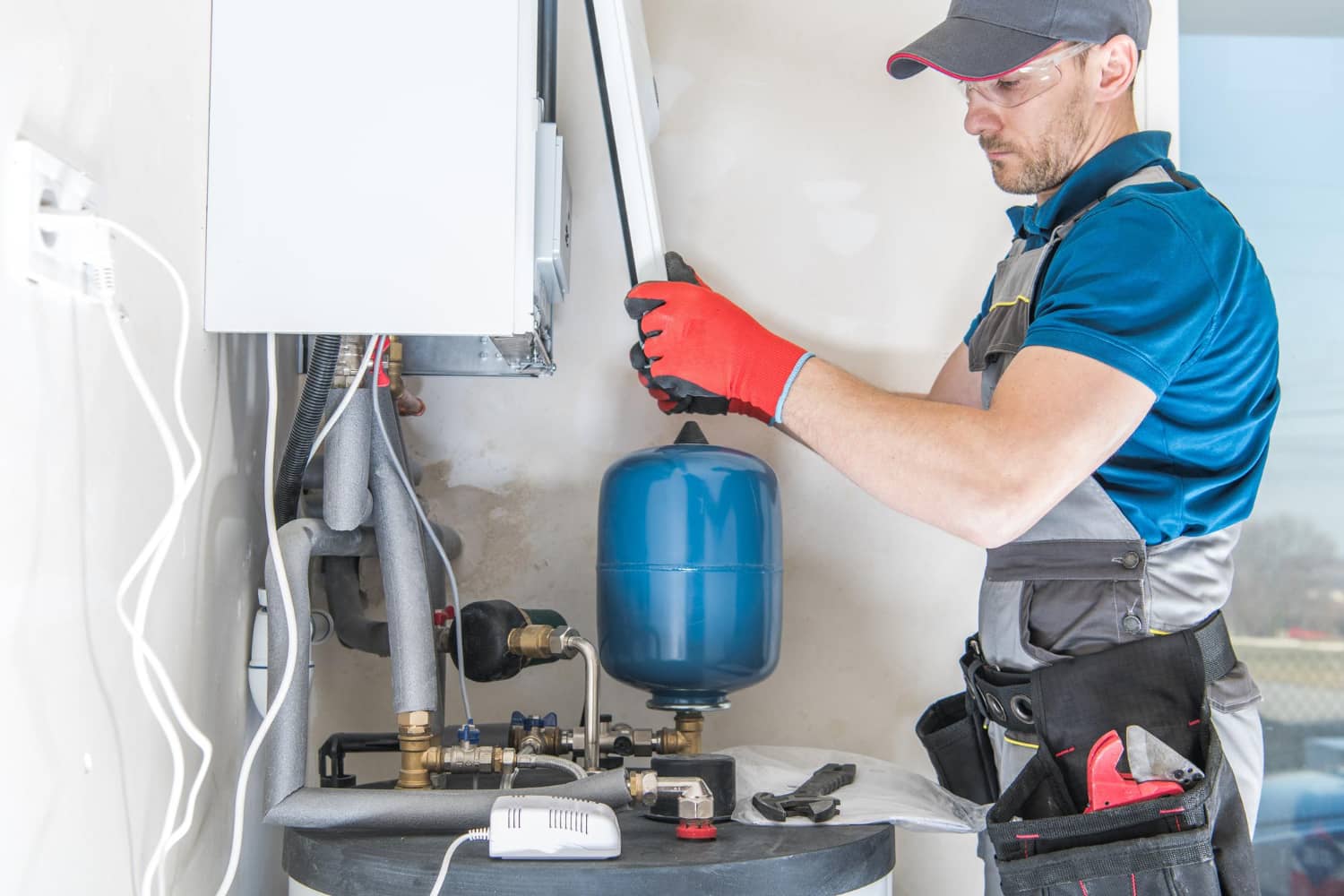
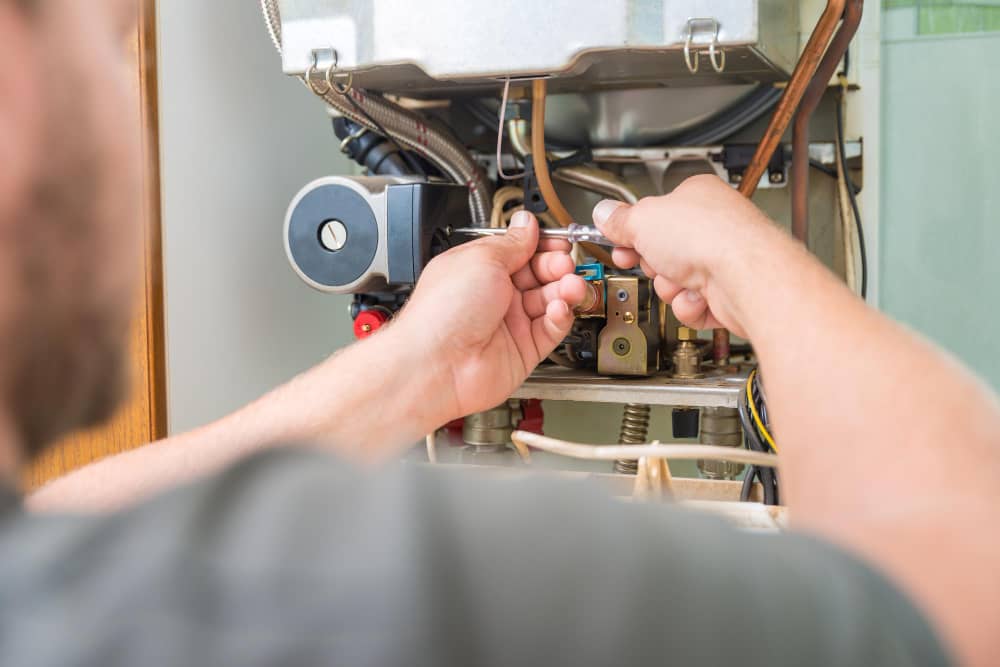
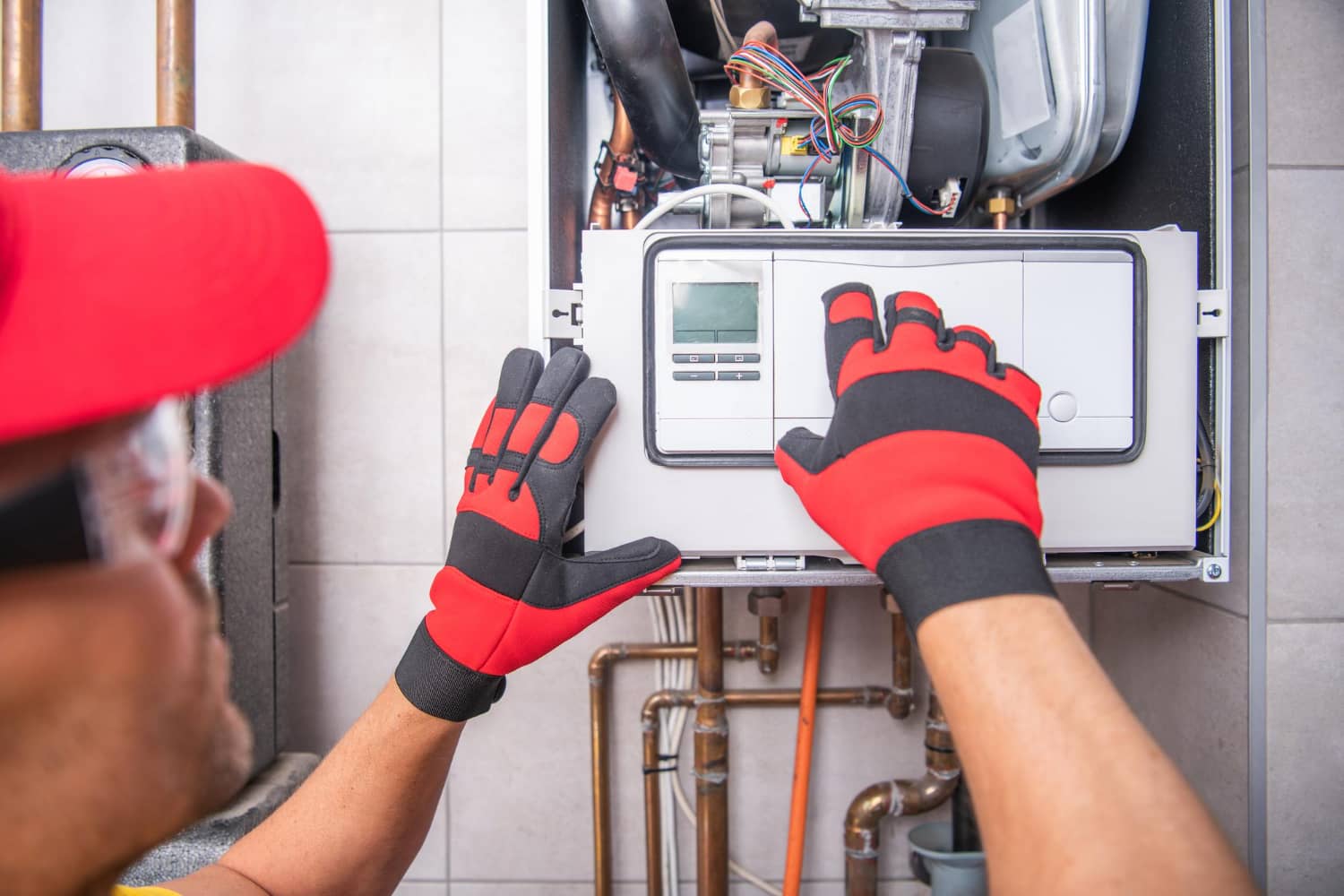
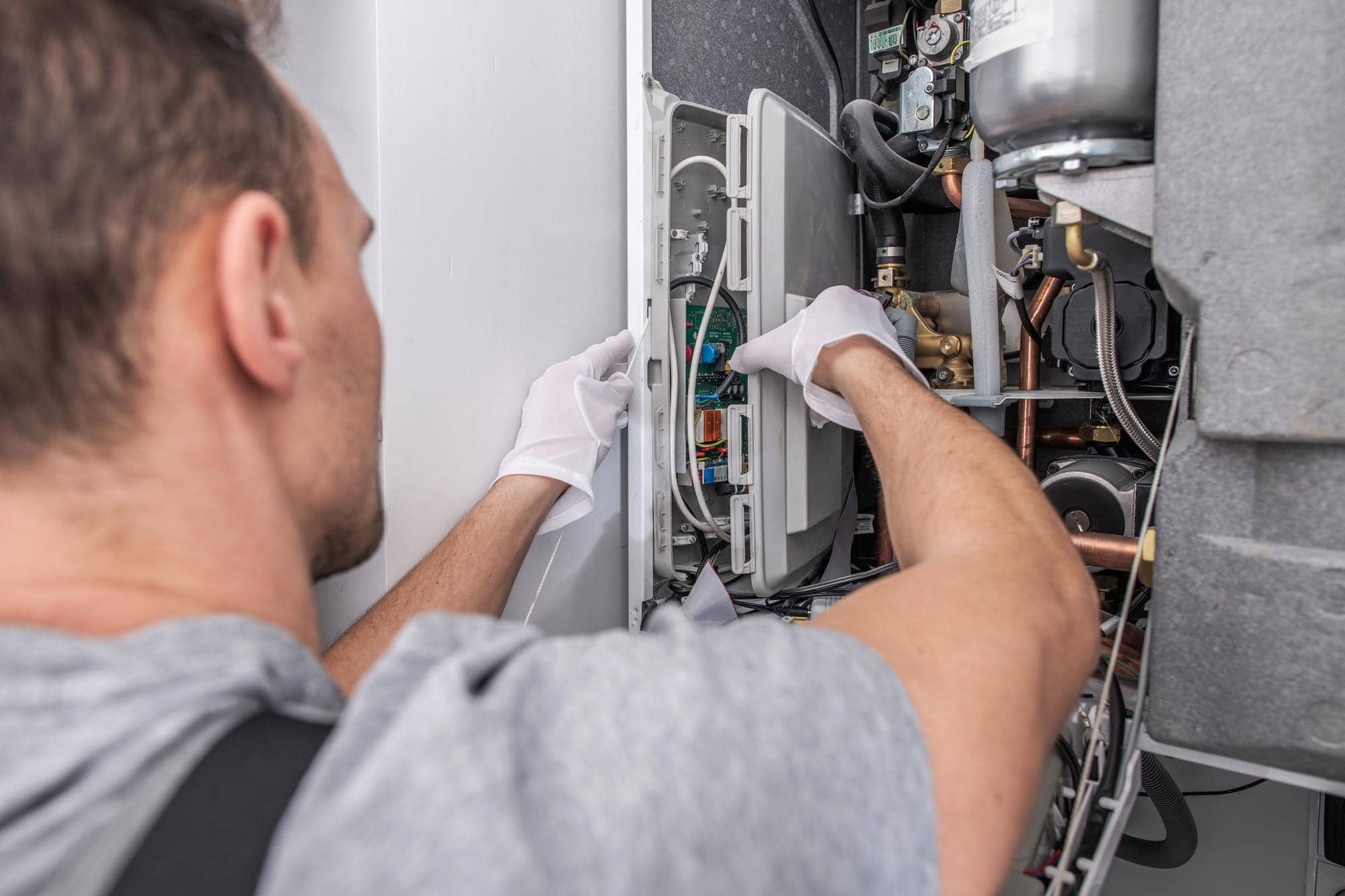
An appropriately qualified heating engineer can investigate the appliance and wider heating system, identify the likely cause and explain the available options.
Common warning signs include:
- Boiler repeatedly losing pressure
- Radiators failing to heat properly
- Hot water becoming inconsistent
- Unusual banging, humming or gurgling noises
- Boiler repeatedly switching off
- Error codes appearing frequently
- Heating taking longer than usual to warm the property
- Frequent need for repairs
Some faults can be addressed without replacing the entire boiler, while repeated or significant failures may indicate that replacement deserves consideration.
What information can a repair assessment provide?
A proper assessment can help establish the condition of the appliance and identify whether other parts of the system are contributing to the problem.
An engineer may consider:
- The boiler’s age and condition
- The nature and frequency of the fault
- Error codes or fault indicators
- System pressure
- Visible pipework
- Radiators and heating performance
- Controls and thermostats
- Previous repair history
- The availability of replacement components
This wider view matters because replacing a boiler without understanding the original problem may leave an underlying heating-system issue unresolved.
For example, if poor heating performance is caused partly by circulation problems elsewhere in the system, installing a new boiler alone may not solve everything.
When might a repair be a sensible option?
There is no fixed rule that says a boiler should be replaced after a particular number of years. Age is useful context, but condition and reliability also matter.
A repair may be worth considering when the boiler is otherwise in reasonable condition, the fault is clearly identified and the repair is proportionate to the appliance’s remaining service life.
Factors to consider include:
| Factor | Question to consider |
| Boiler age | Is the appliance relatively new or nearing the end of its expected service life? |
| Fault | Is the problem isolated or part of repeated failures? |
| Repair | Is the required work straightforward and proportionate? |
| Parts | Are suitable replacement components available? |
| Reliability | Has the boiler been dependable previously? |
| Efficiency | Is the appliance still suitable for the property’s needs? |
| Future costs | Are further repairs becoming increasingly likely? |
A repair decision should be based on the overall situation rather than the age of the boiler alone.
Could repeated faults indicate that replacement is worth considering?
They can. Frequent breakdowns can become frustrating and expensive, particularly if several different components have required attention over time.
However, repeated faults should still be assessed rather than treated as automatic proof that replacement is necessary.
If a boiler has become increasingly unreliable, requires regular intervention and no longer suits the household’s heating or hot water needs, replacement may be a practical option. An engineer can explain the condition of the existing system and what a replacement would involve.
For homeowners researching boiler repair bath, this distinction is important. A diagnosis gives you information that can help you compare the likely cost and inconvenience of continued repairs with the requirements of a new installation.
If your boiler is becoming unreliable, contact Ford Plumbing & Heating to discuss the symptoms and arrange appropriate advice before committing to a replacement.
What if the boiler is still working but performing poorly?
A boiler does not have to stop working completely before its performance becomes a concern.
You may notice that rooms take longer to heat, hot water is inconsistent or the boiler runs for longer than it used to. These symptoms can result from several issues, including problems elsewhere in the heating system.
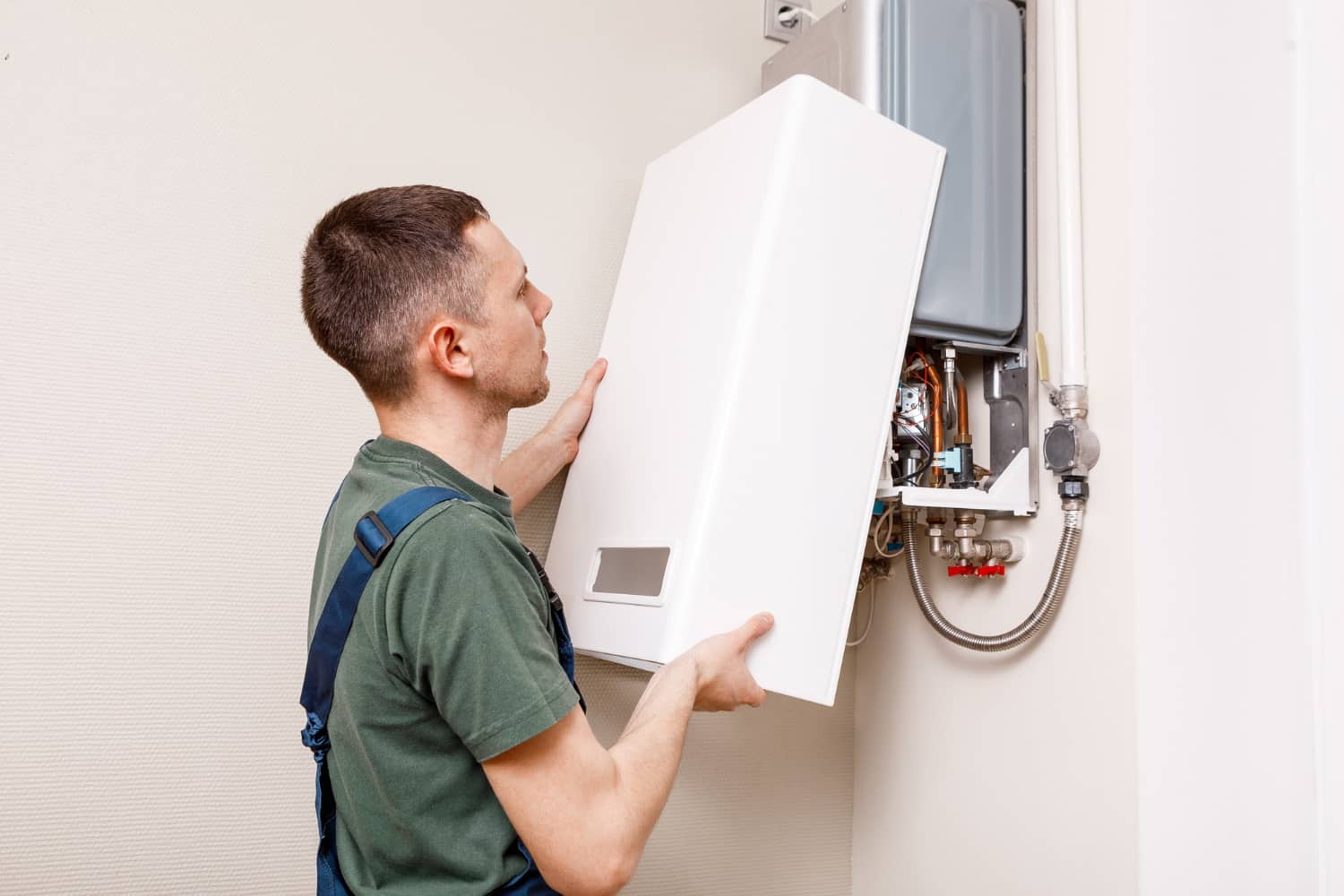
Before assuming the boiler itself needs replacing, an engineer can investigate whether the issue relates to the appliance, controls, circulation, radiators or other components.
This approach is especially useful where the boiler has not yet developed a clear breakdown but its performance has changed.
Let’s get started, Which fuel powers your boiler?
It just takes 30 Seconds
And then you can book a free consultation
Does boiler age determine whether you should replace it?
Not on its own.
An older boiler may still provide reliable service, while a newer appliance can develop faults. The decision should take account of condition, repair history, efficiency, reliability and whether the system remains suitable for the household.
Age becomes more relevant when combined with repeated repairs or difficulty obtaining suitable components.
It is also worth considering whether the current boiler meets your present needs. A household may have changed since the boiler was installed. Additional occupants, a new bathroom or changes to how the property is used can alter heating and hot water requirements.
What should you consider if replacement is recommended?
If diagnosis indicates that replacement is appropriate, the next step is to understand what type of system would suit the property.
Do not assume that replacing the existing boiler with an identical appliance is automatically the best option. The household’s heating and hot water needs may have changed.
Consider:
- Current heating demand
- Hot water usage
- Number of bathrooms
- Available space
- Existing pipework
- Boiler position
- Heating controls
- Future household requirements
A professional assessment can help establish whether a combi, system or regular boiler is appropriate.
Could a heating system problem be mistaken for a boiler fault?
Yes. Heating systems contain multiple components, and a symptom may not originate from the boiler itself.
For example, cold radiators could potentially be associated with circulation issues, trapped air, balancing problems or other system-related causes. Low pressure may also have more than one possible explanation.
This is why diagnosis matters. Replacing a boiler without investigating the wider system may fail to address the actual cause of poor performance.
A qualified engineer should explain what has been found and distinguish confirmed faults from possible causes that require further investigation.
What should you ask an engineer after a diagnosis?
You do not need to be technically trained to ask useful questions.
Before deciding what to do, ask:
- What is causing the current problem?
- Is the fault definitely identified?
- Can the boiler be repaired?
- What work would the repair involve?
- Are there signs of other system problems?
- Is the boiler still suitable for the property?
- If replacement is recommended, why?
- What type of replacement system would be suitable?
- Are there any additional installation requirements?
- What should be included in a replacement quotation?
Clear answers can make the decision much easier.
Ford Plumbing & Heating can help assess boiler problems and explain whether repair or replacement should be considered based on the condition of the system.
Is it worth repairing an inefficient boiler?
Efficiency should be considered alongside reliability and repair requirements.
Older boilers can be less efficient than modern condensing appliances, but replacing a boiler purely because it is old may not always be necessary. The condition of the appliance, expected repair requirements and the property’s heating needs should all be considered together.
If the boiler is already experiencing repeated faults, efficiency may become one of several reasons to investigate replacement.
The key is to consider the whole picture rather than making a decision from one factor alone.
What should you do if the boiler breaks down completely?
If the boiler has stopped working, safety should come first. Do not attempt to dismantle or repair a gas boiler yourself.
If you notice signs of a gas leak, follow the appropriate emergency gas safety guidance and contact the relevant emergency service. For ordinary heating faults, arrange an assessment with a suitably qualified engineer.
Where repair is possible, the engineer can explain the available options. If the appliance is beyond economical repair or unsuitable for continued use, they can discuss what replacement would involve.
A typical Bath homeowner scenario
Imagine a homeowner whose boiler has started losing pressure every few weeks. They initially assume the appliance needs replacing because it is several years old.
During an assessment, the engineer investigates the pressure issue and checks the wider heating system. The cause is identified and the homeowner is given information about the repair required, along with an explanation of the boiler’s overall condition.
With that information, the homeowner can decide whether repairing the existing appliance is appropriate or whether this is a sensible point to consider replacement.
The important part is that the decision follows diagnosis rather than being based solely on the boiler’s age or a single symptom.
How can you make a repair or replacement decision with confidence?
Start with evidence.
Identify the symptoms, have the system assessed and ask what is causing the problem. Then consider the boiler’s age, repair history, reliability, efficiency and suitability for your household.
If replacement is recommended, obtain a clear quotation that explains the proposed system and installation requirements. This allows you to compare the likely cost of continued repairs with the longer-term implications of replacement.
There is no universal answer that applies to every boiler. A property-specific assessment is more useful than a blanket rule.
Conclusion: Diagnose First, Then Decide
A boiler fault can be inconvenient, but it does not automatically mean that replacement is necessary. Understanding what is causing the problem gives you a stronger basis for deciding whether repair, continued maintenance or replacement makes sense.
For homeowners considering boiler repair, a proper assessment can also identify wider heating-system issues that may otherwise be overlooked. If replacement is eventually recommended, understanding the original problem can help ensure the new installation addresses the household’s actual requirements.
Ford Plumbing & Heating can provide practical guidance when a boiler becomes unreliable or develops a fault. If you are unsure whether to repair or replace your current system, speak to the team for tailored advice.
Related articles
Let’s get started, Which fuel powers your boiler?
At a glance
A proper diagnosis can reveal whether the problem is relatively straightforward, whether other components are contributing to the issue, or whether the boiler is becoming unreliable enough for replacement to make more sense. Understanding the difference can help homeowners avoid making a rushed decision.
For anyone considering boiler repair bath, the sensible starting point is to establish what has actually gone wrong and whether the existing system remains suitable for the household.
Should you diagnose a boiler fault before replacing the appliance?
Yes. A diagnosis gives you useful information before deciding whether to repair or replace the boiler.
Common symptoms such as low pressure, unusual noises, inconsistent heating or a lack of hot water can have several possible causes. The visible symptom does not always identify the underlying fault.
An appropriately qualified heating engineer can investigate the appliance and wider heating system, identify the likely cause and explain the available options.
Common warning signs include:
- Boiler repeatedly losing pressure
- Radiators failing to heat properly
- Hot water becoming inconsistent
- Unusual banging, humming or gurgling noises
- Boiler repeatedly switching off
- Error codes appearing frequently
- Heating taking longer than usual to warm the property
- Frequent need for repairs
Some faults can be addressed without replacing the entire boiler, while repeated or significant failures may indicate that replacement deserves consideration.
What information can a repair assessment provide?
A proper assessment can help establish the condition of the appliance and identify whether other parts of the system are contributing to the problem.
An engineer may consider:
- The boiler’s age and condition
- The nature and frequency of the fault
- Error codes or fault indicators
- System pressure
- Visible pipework
- Radiators and heating performance
- Controls and thermostats
- Previous repair history
- The availability of replacement components
This wider view matters because replacing a boiler without understanding the original problem may leave an underlying heating-system issue unresolved.
For example, if poor heating performance is caused partly by circulation problems elsewhere in the system, installing a new boiler alone may not solve everything.
When might a repair be a sensible option?
There is no fixed rule that says a boiler should be replaced after a particular number of years. Age is useful context, but condition and reliability also matter.
A repair may be worth considering when the boiler is otherwise in reasonable condition, the fault is clearly identified and the repair is proportionate to the appliance’s remaining service life.
Factors to consider include:
| Factor | Question to consider |
| Boiler age | Is the appliance relatively new or nearing the end of its expected service life? |
| Fault | Is the problem isolated or part of repeated failures? |
| Repair | Is the required work straightforward and proportionate? |
| Parts | Are suitable replacement components available? |
| Reliability | Has the boiler been dependable previously? |
| Efficiency | Is the appliance still suitable for the property’s needs? |
| Future costs | Are further repairs becoming increasingly likely? |
A repair decision should be based on the overall situation rather than the age of the boiler alone.
Could repeated faults indicate that replacement is worth considering?
They can. Frequent breakdowns can become frustrating and expensive, particularly if several different components have required attention over time.
However, repeated faults should still be assessed rather than treated as automatic proof that replacement is necessary.
If a boiler has become increasingly unreliable, requires regular intervention and no longer suits the household’s heating or hot water needs, replacement may be a practical option. An engineer can explain the condition of the existing system and what a replacement would involve.
For homeowners researching boiler repair bath, this distinction is important. A diagnosis gives you information that can help you compare the likely cost and inconvenience of continued repairs with the requirements of a new installation.
If your boiler is becoming unreliable, contact Ford Plumbing & Heating to discuss the symptoms and arrange appropriate advice before committing to a replacement.
What if the boiler is still working but performing poorly?
A boiler does not have to stop working completely before its performance becomes a concern.
You may notice that rooms take longer to heat, hot water is inconsistent or the boiler runs for longer than it used to. These symptoms can result from several issues, including problems elsewhere in the heating system.
Before assuming the boiler itself needs replacing, an engineer can investigate whether the issue relates to the appliance, controls, circulation, radiators or other components.
This approach is especially useful where the boiler has not yet developed a clear breakdown but its performance has changed.
Let’s get started, Which fuel powers your boiler?
It just takes 30 Seconds
And then you can book a free consultation
Does boiler age determine whether you should replace it?
Not on its own.
An older boiler may still provide reliable service, while a newer appliance can develop faults. The decision should take account of condition, repair history, efficiency, reliability and whether the system remains suitable for the household.
Age becomes more relevant when combined with repeated repairs or difficulty obtaining suitable components.
It is also worth considering whether the current boiler meets your present needs. A household may have changed since the boiler was installed. Additional occupants, a new bathroom or changes to how the property is used can alter heating and hot water requirements.
What should you consider if replacement is recommended?
If diagnosis indicates that replacement is appropriate, the next step is to understand what type of system would suit the property.
Do not assume that replacing the existing boiler with an identical appliance is automatically the best option. The household’s heating and hot water needs may have changed.
Consider:
- Current heating demand
- Hot water usage
- Number of bathrooms
- Available space
- Existing pipework
- Boiler position
- Heating controls
- Future household requirements
A professional assessment can help establish whether a combi, system or regular boiler is appropriate.
Could a heating system problem be mistaken for a boiler fault?
Yes. Heating systems contain multiple components, and a symptom may not originate from the boiler itself.
For example, cold radiators could potentially be associated with circulation issues, trapped air, balancing problems or other system-related causes. Low pressure may also have more than one possible explanation.
This is why diagnosis matters. Replacing a boiler without investigating the wider system may fail to address the actual cause of poor performance.
A qualified engineer should explain what has been found and distinguish confirmed faults from possible causes that require further investigation.
What should you ask an engineer after a diagnosis?
You do not need to be technically trained to ask useful questions.
Before deciding what to do, ask:
- What is causing the current problem?
- Is the fault definitely identified?
- Can the boiler be repaired?
- What work would the repair involve?
- Are there signs of other system problems?
- Is the boiler still suitable for the property?
- If replacement is recommended, why?
- What type of replacement system would be suitable?
- Are there any additional installation requirements?
- What should be included in a replacement quotation?
Clear answers can make the decision much easier.
Ford Plumbing & Heating can help assess boiler problems and explain whether repair or replacement should be considered based on the condition of the system.
Is it worth repairing an inefficient boiler?
Efficiency should be considered alongside reliability and repair requirements.
Older boilers can be less efficient than modern condensing appliances, but replacing a boiler purely because it is old may not always be necessary. The condition of the appliance, expected repair requirements and the property’s heating needs should all be considered together.
If the boiler is already experiencing repeated faults, efficiency may become one of several reasons to investigate replacement.
The key is to consider the whole picture rather than making a decision from one factor alone.
What should you do if the boiler breaks down completely?
If the boiler has stopped working, safety should come first. Do not attempt to dismantle or repair a gas boiler yourself.
If you notice signs of a gas leak, follow the appropriate emergency gas safety guidance and contact the relevant emergency service. For ordinary heating faults, arrange an assessment with a suitably qualified engineer.
Where repair is possible, the engineer can explain the available options. If the appliance is beyond economical repair or unsuitable for continued use, they can discuss what replacement would involve.
A typical Bath homeowner scenario
Imagine a homeowner whose boiler has started losing pressure every few weeks. They initially assume the appliance needs replacing because it is several years old.
During an assessment, the engineer investigates the pressure issue and checks the wider heating system. The cause is identified and the homeowner is given information about the repair required, along with an explanation of the boiler’s overall condition.
With that information, the homeowner can decide whether repairing the existing appliance is appropriate or whether this is a sensible point to consider replacement.
The important part is that the decision follows diagnosis rather than being based solely on the boiler’s age or a single symptom.
How can you make a repair or replacement decision with confidence?
Start with evidence.
Identify the symptoms, have the system assessed and ask what is causing the problem. Then consider the boiler’s age, repair history, reliability, efficiency and suitability for your household.
If replacement is recommended, obtain a clear quotation that explains the proposed system and installation requirements. This allows you to compare the likely cost of continued repairs with the longer-term implications of replacement.
There is no universal answer that applies to every boiler. A property-specific assessment is more useful than a blanket rule.
Conclusion: Diagnose First, Then Decide
A boiler fault can be inconvenient, but it does not automatically mean that replacement is necessary. Understanding what is causing the problem gives you a stronger basis for deciding whether repair, continued maintenance or replacement makes sense.
For homeowners considering boiler repair, a proper assessment can also identify wider heating-system issues that may otherwise be overlooked. If replacement is eventually recommended, understanding the original problem can help ensure the new installation addresses the household’s actual requirements.
Ford Plumbing & Heating can provide practical guidance when a boiler becomes unreliable or develops a fault. If you are unsure whether to repair or replace your current system, speak to the team for tailored advice.