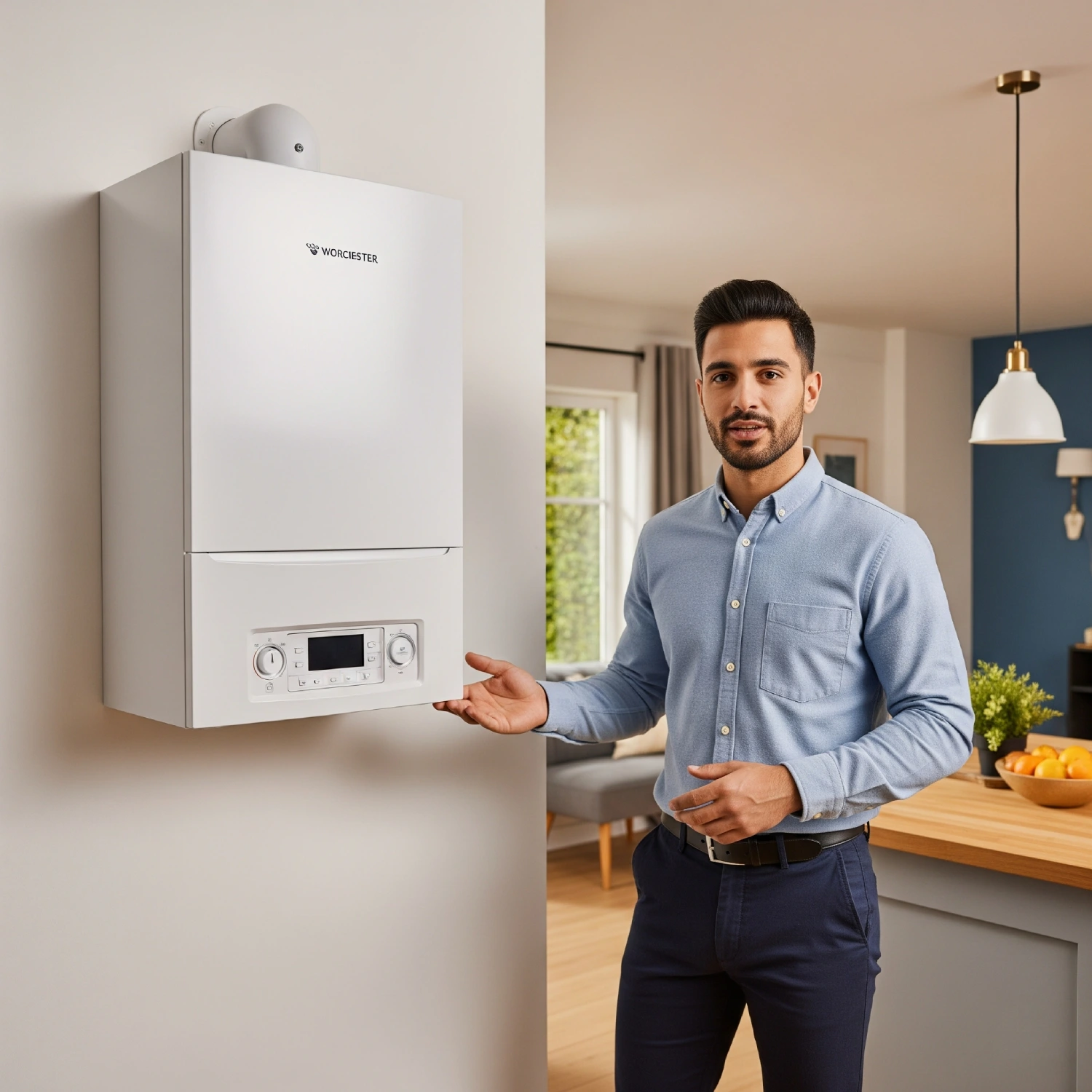
Cost for Boiler Installation: What Should Be Included in Your Pre-Installation Budget?
When planning a new boiler, it is tempting to focus on the price of the appliance itself. However, the overall project involves much more than buying a boiler. Installation labour, controls, flue arrangements, pipework, removal of the existing appliance and other requirements can all contribute to the final price.

Why you can trust our content
We understand that the boiler industry can be confusing, with plenty of outdated or misleading information. That’s why we rely only on trusted, proven sources to guide our advice and installations:
At a glance
Having a clear budget before installation can make it easier to understand a quotation and identify which parts of the work are included. It can also help you avoid unexpected costs caused by assumptions about what a standard installation covers.
This guide explains the main elements to consider when preparing a boiler installation budget, whether you are replacing an existing system or installing a new boiler as part of a wider heating project.
What makes up the cost for boiler installation?
The overall price normally consists of several different elements rather than one single charge.
These can include:
- The boiler itself
- Installation labour
- Flue components
- Heating controls
- Gas, heating or water pipework alterations
- Condensate arrangements
- Removal and disposal of an existing boiler
- System components or alterations
- Testing and commissioning
- Any additional work required at the property
Not every installation will require all of these items. The exact scope depends on the property, existing heating system and proposed boiler.
This is why a quotation should be reviewed as a complete installation rather than judged only by the appliance price.
If you are unsure what your installation budget should cover, speaking to a heating professional can help you understand which parts of the project apply to your property.
Does the type of boiler affect the installation budget?
Yes. Different boiler types can have different installation requirements.
For example, replacing an existing combi boiler with a similar appliance may involve fewer changes than converting a property from one heating system arrangement to another.
The proposed system needs to be appropriate for:
- The size and layout of the property
- Heating requirements
- Hot water demand
- Existing pipework
- Available installation space
- The property’s existing heating arrangement
The boiler specification should therefore be considered alongside the installation requirements.
Choosing an appliance solely because it has a lower purchase price may not give you a realistic picture of the complete project.
What should you budget for labour?
Installation labour is a significant part of any boiler replacement or new installation.
The amount of work required can vary considerably. A straightforward replacement in the existing location may involve less labour than a boiler relocation or system conversion.
Factors that can affect labour requirements include:
- Accessibility
- Boiler location
- Existing pipework
- Flue arrangements
- Controls
- Boiler relocation
- System alterations
- Removal of existing equipment
- Additional testing or commissioning requirements
Ask the installer to explain what their labour quotation covers so you can understand the scope of the installation.
Let’s get started, Which fuel powers your boiler?
It just takes 30 Seconds
And then you can book a free consultation
Are heating controls included in the price?
Controls are sometimes overlooked when homeowners calculate their heating budget.
A new boiler may be supplied with a particular control arrangement, while other installations may require additional controls or changes to the existing setup.
When reviewing a quotation, check:
- Which controls are included
- Whether existing controls are being retained
- Whether new controls are recommended
- Whether installation is included
- Whether the controls are compatible with the proposed boiler
The control system forms part of how you operate the heating, so it should be considered when calculating the total project budget.
How much can pipework affect installation costs?
Existing pipework can influence the work required during installation.
Older systems may need alterations, upgrades or repositioning to suit the new boiler. This can be particularly relevant if the replacement appliance is being moved or the existing system is being changed.
Before accepting a quotation, ask whether the installer has assessed:
- Gas pipework
- Heating flow and return connections
- Hot water pipework where applicable
- Condensate drainage
- Existing valves and connections
- Any visible signs of leaks or deterioration
The installer should be able to explain whether pipework alterations are expected as part of the planned work.
What about the flue?
The flue is an essential part of a gas boiler installation and needs to be suitable for the proposed appliance and installation position.
The cost can depend on the arrangement required at the property.
For example, additional flue components may be needed if the boiler is being relocated or if the proposed route differs from the existing installation.
Your quotation should make the proposed flue arrangement clear enough for you to understand whether it is included in the price.
If you are unsure, ask:
- Is the new flue included?
- Are all required components included?
- Is the existing flue being replaced?
- Will relocation change the flue requirements?
- Are any additional works excluded?
Does removing the old boiler add to the budget?
It can, depending on the quotation.
When replacing an existing appliance, confirm whether the price includes its removal and disposal. Also ask whether associated redundant components or pipework will be removed.
A clear quotation should explain what happens to:
- The old boiler
- Unwanted components
- Redundant pipework
- Associated installation materials
This can prevent you from discovering later that a part of the removal work was outside the original scope.
Can the boiler location change the cost?
Yes. Keeping a new boiler in the existing position can sometimes make the installation more straightforward, while moving it elsewhere may require additional work.
Relocation can affect:
- Gas pipework
- Heating pipework
- Water connections
- Flue position
- Condensate drainage
- Electrical connections
- Controls
- Access
- Making-good requirements
If you are considering moving your boiler, mention this at the assessment stage. The installer can then determine whether the preferred location is suitable and include the relevant work in the quotation.
What should you budget for if your heating system needs alterations?
A boiler replacement does not always involve replacing only the boiler.
The existing heating system may need attention if there are known issues with circulation, pipework, radiators, controls or other components.
For example, you may have noticed:
- Radiators that do not heat evenly
- Frequent pressure loss
- Leaking valves
- Noisy pipework
- Poor hot water performance
- Unreliable controls
Tell the installer about these issues before the quotation is finalised. They may recommend additional work if it is relevant to the new installation.
This is one reason the cost of new gas boiler installation should be considered as part of the wider heating project rather than treated as the price of the appliance alone.
What should a complete boiler quotation show?
A detailed quotation should give you a reasonable understanding of the proposed installation.
| Cost area | What to check |
| Boiler | Make, model and output |
| Labour | Installation work included |
| Controls | New or existing controls |
| Flue | Components and installation |
| Pipework | Alterations or upgrades |
| Condensate | Connection arrangements |
| Old boiler | Removal and disposal |
| System work | Additional components or alterations |
| Testing | Testing and commissioning |
| Certification | Relevant documentation |
| Exclusions | Work not included |
| Additional work | How unexpected requirements are handled |
If several areas are not explained, ask for clarification before accepting the quotation.
Are there hidden costs with boiler installation?
“Hidden costs” are often costs that were not expected or were not clearly explained rather than deliberately concealed.
For example, a homeowner might assume that boiler removal, new controls or additional pipework are included when they are not.
The best way to reduce uncertainty is to ask about exclusions and assumptions before the work starts.
Useful questions include:
- Is everything needed for the standard installation included?
- What work is specifically excluded?
- Could additional pipework be required?
- What happens if an unexpected issue is discovered?
- Will additional work be discussed before it is carried out?
- Are any making-good or building works excluded?
A written answer is useful because it gives both sides a clearer understanding of the agreed scope.
Does the property’s age affect the budget?
It can. Older homes may have heating systems that have been altered or extended over many years.
You may find a mixture of different pipework, controls, radiators or previous installation arrangements. The installer needs to consider the existing system rather than assuming that every property has the same setup.
Older properties can also present different access or installation challenges, particularly if the boiler is positioned in a difficult-to-reach area.
This does not mean that an older home will automatically cost more to heat or require extensive work. It simply means the installation should be assessed on its actual requirements.
What should Bath homeowners consider before setting a budget?
For a property in Bath, the best starting point is the specific installation rather than a generic figure.
Before setting your budget, consider:
- What type of boiler is suitable?
- Is the existing boiler staying in the same position?
- Will the current pipework be suitable?
- Are new controls required?
- What flue arrangement is needed?
- Does the old boiler need removing?
- Are there known heating system problems?
- Is additional work likely?
- What does the quotation exclude?
- What is the total agreed installation price?
Once these points are clear, you have a much more useful basis for planning your spending.
Should you compare the boiler price separately from installation?
You can compare appliance prices, but the comparison becomes more meaningful when the complete installation is considered.
Two quotations may use different boilers, controls or installation methods. One may include work that another excludes.
For this reason, compare the full specification rather than looking at one headline figure.
Check:
- Boiler model
- Output
- Controls
- Labour
- Flue
- Pipework
- Removal
- Testing
- Certification
- Aftercare
- Exclusions
A complete quotation gives you a better understanding of what your money is paying for.
What if you are working with a fixed budget?
If you have a maximum budget, tell the installer at an appropriate stage and explain what you need the system to achieve.
A professional can then assess the property and explain the available options without assuming that the cheapest appliance is automatically the right choice.
Do not remove essential installation work simply to make the initial figure lower. The priority should be a suitable heating system installed correctly.
If your budget is limited, ask whether there are different suitable boiler or control options and what effect each would have on the overall installation.
If you have a specific budget in mind, discuss your requirements with Ford Plumbing & Heating so the proposed installation can be considered as a complete project rather than just an appliance purchase.
How should you prepare before accepting a quotation?
Before agreeing to the work, create a simple checklist.
Boiler
- Make and model confirmed
- Output confirmed
- Suitable for the property
Installation
- Labour included
- Flue arrangements confirmed
- Pipework requirements explained
- Controls identified
- Old boiler removal confirmed
Costs
- Total price clear
- Exclusions identified
- Additional work process explained
- Payment arrangements understood
Completion
- Testing and commissioning explained
- Certification discussed
- Installation timescale confirmed
- Aftercare information provided
This should give you a much clearer picture of the project before installation begins.
Conclusion
The cost for boiler installation depends on much more than the price of the appliance. Labour, controls, flue arrangements, pipework, removal of the existing boiler and wider system requirements can all contribute to the overall project.
For homeowners in Bath, the most useful approach is to understand the complete installation before setting a firm budget. A detailed quotation should make the scope of work, inclusions, exclusions and potential additional requirements clear.
If you are planning a new boiler, Ford Plumbing & Heating can help you understand what your property requires and what should be included in your installation quotation.
Ready to plan your boiler installation? Speak to Ford Plumbing & Heating to discuss your heating requirements and request a clear quotation for the work.
Related articles
Let’s get started, Which fuel powers your boiler?
At a glance
Having a clear budget before installation can make it easier to understand a quotation and identify which parts of the work are included. It can also help you avoid unexpected costs caused by assumptions about what a standard installation covers.
This guide explains the main elements to consider when preparing a boiler installation budget, whether you are replacing an existing system or installing a new boiler as part of a wider heating project.
What makes up the cost for boiler installation?
The overall price normally consists of several different elements rather than one single charge.
These can include:
- The boiler itself
- Installation labour
- Flue components
- Heating controls
- Gas, heating or water pipework alterations
- Condensate arrangements
- Removal and disposal of an existing boiler
- System components or alterations
- Testing and commissioning
- Any additional work required at the property
Not every installation will require all of these items. The exact scope depends on the property, existing heating system and proposed boiler.
This is why a quotation should be reviewed as a complete installation rather than judged only by the appliance price.
If you are unsure what your installation budget should cover, speaking to a heating professional can help you understand which parts of the project apply to your property.
Does the type of boiler affect the installation budget?
Yes. Different boiler types can have different installation requirements.
For example, replacing an existing combi boiler with a similar appliance may involve fewer changes than converting a property from one heating system arrangement to another.
The proposed system needs to be appropriate for:
- The size and layout of the property
- Heating requirements
- Hot water demand
- Existing pipework
- Available installation space
- The property’s existing heating arrangement
The boiler specification should therefore be considered alongside the installation requirements.
Choosing an appliance solely because it has a lower purchase price may not give you a realistic picture of the complete project.
What should you budget for labour?
Installation labour is a significant part of any boiler replacement or new installation.
The amount of work required can vary considerably. A straightforward replacement in the existing location may involve less labour than a boiler relocation or system conversion.
Factors that can affect labour requirements include:
- Accessibility
- Boiler location
- Existing pipework
- Flue arrangements
- Controls
- Boiler relocation
- System alterations
- Removal of existing equipment
- Additional testing or commissioning requirements
Ask the installer to explain what their labour quotation covers so you can understand the scope of the installation.
Let’s get started, Which fuel powers your boiler?
It just takes 30 Seconds
And then you can book a free consultation
Are heating controls included in the price?
Controls are sometimes overlooked when homeowners calculate their heating budget.
A new boiler may be supplied with a particular control arrangement, while other installations may require additional controls or changes to the existing setup.
When reviewing a quotation, check:
- Which controls are included
- Whether existing controls are being retained
- Whether new controls are recommended
- Whether installation is included
- Whether the controls are compatible with the proposed boiler
The control system forms part of how you operate the heating, so it should be considered when calculating the total project budget.
How much can pipework affect installation costs?
Existing pipework can influence the work required during installation.
Older systems may need alterations, upgrades or repositioning to suit the new boiler. This can be particularly relevant if the replacement appliance is being moved or the existing system is being changed.
Before accepting a quotation, ask whether the installer has assessed:
- Gas pipework
- Heating flow and return connections
- Hot water pipework where applicable
- Condensate drainage
- Existing valves and connections
- Any visible signs of leaks or deterioration
The installer should be able to explain whether pipework alterations are expected as part of the planned work.
What about the flue?
The flue is an essential part of a gas boiler installation and needs to be suitable for the proposed appliance and installation position.
The cost can depend on the arrangement required at the property.
For example, additional flue components may be needed if the boiler is being relocated or if the proposed route differs from the existing installation.
Your quotation should make the proposed flue arrangement clear enough for you to understand whether it is included in the price.
If you are unsure, ask:
- Is the new flue included?
- Are all required components included?
- Is the existing flue being replaced?
- Will relocation change the flue requirements?
- Are any additional works excluded?
Does removing the old boiler add to the budget?
It can, depending on the quotation.
When replacing an existing appliance, confirm whether the price includes its removal and disposal. Also ask whether associated redundant components or pipework will be removed.
A clear quotation should explain what happens to:
- The old boiler
- Unwanted components
- Redundant pipework
- Associated installation materials
This can prevent you from discovering later that a part of the removal work was outside the original scope.
Can the boiler location change the cost?
Yes. Keeping a new boiler in the existing position can sometimes make the installation more straightforward, while moving it elsewhere may require additional work.
Relocation can affect:
- Gas pipework
- Heating pipework
- Water connections
- Flue position
- Condensate drainage
- Electrical connections
- Controls
- Access
- Making-good requirements
If you are considering moving your boiler, mention this at the assessment stage. The installer can then determine whether the preferred location is suitable and include the relevant work in the quotation.
What should you budget for if your heating system needs alterations?
A boiler replacement does not always involve replacing only the boiler.
The existing heating system may need attention if there are known issues with circulation, pipework, radiators, controls or other components.
For example, you may have noticed:
- Radiators that do not heat evenly
- Frequent pressure loss
- Leaking valves
- Noisy pipework
- Poor hot water performance
- Unreliable controls
Tell the installer about these issues before the quotation is finalised. They may recommend additional work if it is relevant to the new installation.
This is one reason the cost of new gas boiler installation should be considered as part of the wider heating project rather than treated as the price of the appliance alone.
What should a complete boiler quotation show?
A detailed quotation should give you a reasonable understanding of the proposed installation.
| Cost area | What to check |
| Boiler | Make, model and output |
| Labour | Installation work included |
| Controls | New or existing controls |
| Flue | Components and installation |
| Pipework | Alterations or upgrades |
| Condensate | Connection arrangements |
| Old boiler | Removal and disposal |
| System work | Additional components or alterations |
| Testing | Testing and commissioning |
| Certification | Relevant documentation |
| Exclusions | Work not included |
| Additional work | How unexpected requirements are handled |
If several areas are not explained, ask for clarification before accepting the quotation.
Are there hidden costs with boiler installation?
“Hidden costs” are often costs that were not expected or were not clearly explained rather than deliberately concealed.
For example, a homeowner might assume that boiler removal, new controls or additional pipework are included when they are not.
The best way to reduce uncertainty is to ask about exclusions and assumptions before the work starts.
Useful questions include:
- Is everything needed for the standard installation included?
- What work is specifically excluded?
- Could additional pipework be required?
- What happens if an unexpected issue is discovered?
- Will additional work be discussed before it is carried out?
- Are any making-good or building works excluded?
A written answer is useful because it gives both sides a clearer understanding of the agreed scope.
Does the property’s age affect the budget?
It can. Older homes may have heating systems that have been altered or extended over many years.
You may find a mixture of different pipework, controls, radiators or previous installation arrangements. The installer needs to consider the existing system rather than assuming that every property has the same setup.
Older properties can also present different access or installation challenges, particularly if the boiler is positioned in a difficult-to-reach area.
This does not mean that an older home will automatically cost more to heat or require extensive work. It simply means the installation should be assessed on its actual requirements.
What should Bath homeowners consider before setting a budget?
For a property in Bath, the best starting point is the specific installation rather than a generic figure.
Before setting your budget, consider:
- What type of boiler is suitable?
- Is the existing boiler staying in the same position?
- Will the current pipework be suitable?
- Are new controls required?
- What flue arrangement is needed?
- Does the old boiler need removing?
- Are there known heating system problems?
- Is additional work likely?
- What does the quotation exclude?
- What is the total agreed installation price?
Once these points are clear, you have a much more useful basis for planning your spending.
Should you compare the boiler price separately from installation?
You can compare appliance prices, but the comparison becomes more meaningful when the complete installation is considered.
Two quotations may use different boilers, controls or installation methods. One may include work that another excludes.
For this reason, compare the full specification rather than looking at one headline figure.
Check:
- Boiler model
- Output
- Controls
- Labour
- Flue
- Pipework
- Removal
- Testing
- Certification
- Aftercare
- Exclusions
A complete quotation gives you a better understanding of what your money is paying for.
What if you are working with a fixed budget?
If you have a maximum budget, tell the installer at an appropriate stage and explain what you need the system to achieve.
A professional can then assess the property and explain the available options without assuming that the cheapest appliance is automatically the right choice.
Do not remove essential installation work simply to make the initial figure lower. The priority should be a suitable heating system installed correctly.
If your budget is limited, ask whether there are different suitable boiler or control options and what effect each would have on the overall installation.
If you have a specific budget in mind, discuss your requirements with Ford Plumbing & Heating so the proposed installation can be considered as a complete project rather than just an appliance purchase.
How should you prepare before accepting a quotation?
Before agreeing to the work, create a simple checklist.
Boiler
- Make and model confirmed
- Output confirmed
- Suitable for the property
Installation
- Labour included
- Flue arrangements confirmed
- Pipework requirements explained
- Controls identified
- Old boiler removal confirmed
Costs
- Total price clear
- Exclusions identified
- Additional work process explained
- Payment arrangements understood
Completion
- Testing and commissioning explained
- Certification discussed
- Installation timescale confirmed
- Aftercare information provided
This should give you a much clearer picture of the project before installation begins.
Conclusion
The cost for boiler installation depends on much more than the price of the appliance. Labour, controls, flue arrangements, pipework, removal of the existing boiler and wider system requirements can all contribute to the overall project.
For homeowners in Bath, the most useful approach is to understand the complete installation before setting a firm budget. A detailed quotation should make the scope of work, inclusions, exclusions and potential additional requirements clear.
If you are planning a new boiler, Ford Plumbing & Heating can help you understand what your property requires and what should be included in your installation quotation.
Ready to plan your boiler installation? Speak to Ford Plumbing & Heating to discuss your heating requirements and request a clear quotation for the work.