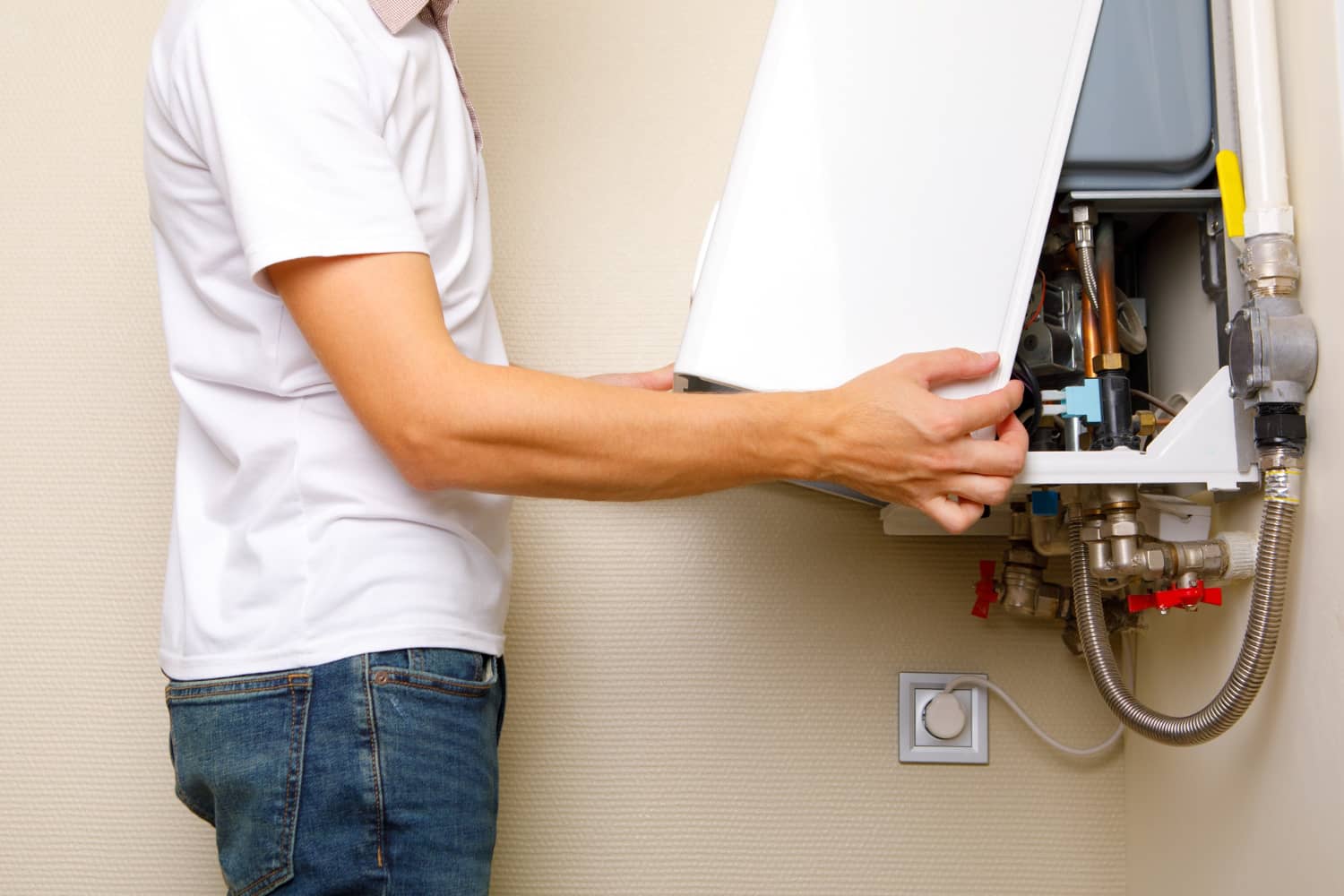
Combi Boiler Replacement Bath: What Should You Prepare Before the Existing Boiler Is Removed?
Replacing an existing combi boiler is often easier when the preparation is considered before installation day. While the boiler itself is the main part of the project, the surrounding heating system, access, controls, pipework and location can all affect how the replacement is carried out.

Why you can trust our content
We understand that the boiler industry can be confusing, with plenty of outdated or misleading information. That’s why we rely only on trusted, proven sources to guide our advice and installations:
At a glance
If your existing boiler has become unreliable, inefficient or simply reached the stage where replacement makes more sense than continued repairs, planning ahead can make the process much smoother.
This guide explains what Bath homeowners can prepare before an existing combi boiler is removed and what questions are worth answering before the installation begins.
What should you check before replacing a combi boiler?
Start by looking at the current system and considering how the new boiler will fit into your home.
You do not need to diagnose technical problems yourself. Instead, focus on practical details such as:
- Where the existing boiler is installed
- Whether the new boiler will remain in the same position
- How the heating and hot water currently operate
- Whether the controls need updating
- Where the boiler’s flue is positioned
- Whether access around the appliance is straightforward
- Whether any existing heating issues need to be discussed with the installer
A professional assessment can then determine what needs to change as part of the replacement.
If you are unsure whether your existing combi boiler should be replaced or repaired, discussing its condition with an experienced heating team can help you understand the practical options.
Should the new combi boiler stay in the same position?
Keeping the replacement boiler in the same location can sometimes simplify the work, but it should not be assumed that the new appliance will automatically fit exactly where the old one is installed.
Different boiler models can have different dimensions and connection arrangements. The installer may also need to consider access, flue positioning, pipework and servicing requirements.
Before choosing the replacement location, confirm:
- Whether the proposed boiler will physically fit
- Whether there is suitable access for installation and future servicing
- Whether the existing flue arrangement is appropriate
- Whether pipework can connect correctly
- Whether the location remains practical for everyday use
- Whether moving the boiler would create additional work
If you are considering relocation, raise this before the quotation is finalised rather than after the old boiler has been removed.
What should you prepare around the boiler location?
The area around the existing boiler should be accessible before installation day.
Move stored items, furniture or other belongings that could restrict access. If the boiler is inside a cupboard, make sure the installer has been told about the available space and any shelving or storage arrangements.
Depending on the installation, preparation may include:
- Clearing the route to the boiler
- Removing items stored around the appliance
- Ensuring cupboards can be accessed
- Protecting or moving fragile belongings
- Making space for installation equipment
- Discussing any access restrictions in advance
Good access can help the installation team work efficiently and can also reduce the risk of accidental damage to surrounding belongings.
Does the existing pipework need to be checked?
The condition and arrangement of existing pipework can affect a replacement installation.
An older heating system may have pipework that was designed around a previous boiler or system arrangement. The installer may recommend alterations to make the new appliance work correctly.
Before the replacement begins, ask:
- Will existing pipework be reused?
- Does any pipework need to be upgraded?
- Are connections compatible with the new boiler?
- Is the heating system operating as expected?
- Are there any known leaks or circulation problems?
These questions can help establish whether the project is simply an appliance replacement or whether wider system work is required.
This can also make it easier to understand the expected boiler replacement cost because you have a clearer idea of what work is included.
What about the heating system itself?
Replacing a boiler does not automatically resolve every problem within the heating system.
If some radiators are slow to heat, certain rooms remain colder than others or the system has experienced pressure or circulation issues, mention these to the installer.
It can be useful to make a short list of anything you have noticed, such as:
- Radiators that do not heat properly
- Unusual boiler noises
- Frequent pressure loss
- Hot water problems
- Heating controls that are unreliable
- Leaks or damp areas around pipework
- Previous boiler fault codes
You may not know what is causing the issue, but giving the installer this information can help them assess the system more thoroughly before the replacement.
(Link to related blog: Boiler Repair Bath: Should Existing Problems Be Diagnosed Before You Plan an Upgrade?)
Should you decide on controls before the old boiler is removed?
Controls are easy to overlook because attention naturally focuses on the boiler.
However, replacing the boiler can be an opportunity to review how your heating is controlled. Depending on the installation, you may have a room thermostat, programmer or other control arrangement.
Before the old boiler is removed, ask what will happen to the existing controls.
Consider:
- Are the current controls compatible with the new boiler?
- Are they being replaced or retained?
- Where will the thermostat be located?
- Do you understand how the new controls will operate?
- Is installation of the controls included in the quotation?
The right control arrangement can make the new heating system easier to manage, so it is worth discussing before installation day.
Let’s get started, Which fuel powers your boiler?
It just takes 30 Seconds
And then you can book a free consultation
What should you know about the flue?
The flue is an important part of a gas boiler installation. It carries combustion products safely away from the appliance, so its position and installation need to be considered as part of the replacement.
If the new boiler remains in the same position, the existing arrangement may still need to be assessed. If the boiler is being moved, the flue route may need to change.
Before removal, ask the installer:
- Where will the new flue be positioned?
- Will the existing flue arrangement be replaced?
- Are any additional components required?
- Does relocating the boiler affect the flue route?
- Are there any access or external considerations?
Do not make assumptions about reusing the existing flue simply because the new boiler is going in the same area.
How should you prepare for the loss of heating and hot water?
During a combi boiler replacement, the existing system will normally need to be taken out of service for part of the installation.
Plan around the period when you will not have normal heating or hot water.
If possible:
- Choose an installation date that works with your household schedule
- Keep the immediate work area clear
- Let everyone in the home know what to expect
- Make arrangements for vulnerable household members where appropriate
- Avoid planning important activities around the expected installation period
Your installer should be able to explain the anticipated timescale and what you can expect during the work.
What happens to the old combi boiler?
Before installation day, confirm whether removal and disposal of the old boiler are included in the agreed work.
The old appliance may also have associated components or redundant pipework that need to be removed or left in place.
Ask:
- Is the existing boiler being removed?
- Is disposal included?
- Will redundant pipework be removed?
- Will the old boiler position be left tidy?
- Are any making-good works included?
Knowing what happens after the old boiler has been disconnected can prevent confusion once the replacement is complete.
What should you prepare if the boiler is being relocated?
Relocating a combi boiler is a bigger project than replacing it in the same position.
Moving the appliance can affect:
- Gas pipework
- Heating and water connections
- Condensate drainage
- Flue positioning
- Electrical connections
- Controls
- Access
- The amount of installation labour required
The proposed new position should therefore be assessed before the existing boiler is removed.
If you have a preferred location, tell the installer during the survey or quotation stage. This gives them the opportunity to determine whether the position is practical and what additional work may be required.
What should you check in your installation quotation?
Before the replacement goes ahead, review the written quotation carefully.
| Item | What to confirm |
| New boiler | Exact make, model and output |
| Installation | Labour and standard installation included |
| Existing boiler | Removal and disposal included |
| Controls | New or existing controls clearly identified |
| Flue | Proposed arrangement explained |
| Pipework | Required alterations identified |
| Condensate | Connection arrangements confirmed |
| Relocation | Additional work included if applicable |
| Testing | System testing and commissioning included |
| Certification | Documentation explained |
| Additional work | Process for unexpected requirements |
| Aftercare | Relevant support and warranty information |
If something is unclear, ask before the work starts rather than relying on assumptions.
Can preparation affect boiler replacement cost?
Yes. The amount and complexity of work involved can affect the overall cost.
A straightforward replacement in an accessible location may require less work than a project involving relocation, significant pipework alterations, new controls or other system changes.
This is why the boiler replacement cost should not be considered independently of the installation requirements.
A professional assessment can help establish what the property needs before the existing boiler is removed.
What should you do with existing boiler documents?
If you have paperwork relating to the current boiler or heating system, keep it available for the installer.
Useful information may include:
- Existing boiler model and specification
- Previous service records
- Repair history
- Installation paperwork
- Warranty information
- Records of recurring faults
- Instructions for existing controls
You may not have all of these documents, and that is not necessarily a problem. However, anything available can provide useful background information.
What if your old boiler has already broken down?
A complete failure does not always mean that replacement must happen immediately.
Depending on the age, condition and nature of the fault, repair may still be appropriate. In other situations, continued repairs may no longer make practical sense.
If the boiler has already failed, explain what happened to the installer. Details such as fault codes, unusual noises, leaks or repeated breakdowns can help them understand the history.
If your existing boiler has become unreliable, a proper assessment can help establish whether replacement is appropriate and what preparation the installation will require.
What should you check on the day before installation?
A simple final preparation list can make the morning of installation easier.
Your checklist
- Clear access to the existing boiler
- Move valuable or fragile belongings away from the work area
- Make sure the installer can access relevant rooms
- Keep existing boiler paperwork available
- Note any heating or hot water problems
- Confirm the boiler model being installed
- Confirm the planned location
- Check what will happen to the old boiler
- Make sure you understand the expected installation timescale
- Keep the quotation and contact details accessible
You should also tell the installer about any changes since the original survey, particularly if access or the proposed installation location has changed.
What should Bath homeowners ask before the old boiler is removed?
Before removal begins, make sure you are comfortable with the installation plan.
Ask the installer to confirm:
- Which boiler is being installed?
- Where will it be positioned?
- What happens to the existing boiler?
- Are any pipework changes required?
- What controls will be installed?
- How will the flue and condensate connections be arranged?
- How long should the installation take?
- What happens if unexpected work is discovered?
- What documentation will you receive?
- Who should you contact if you have questions afterwards?
These questions do not need to be complicated. The goal is simply to make sure you understand what is going to happen before the old appliance is disconnected.
Conclusion
Preparing for a combi boiler replacement is about more than clearing space around the old appliance. Before removal, it is worth confirming the new boiler specification, location, controls, pipework, flue arrangements, removal process and installation timescale.
For Bath homeowners, taking these steps can make the replacement process easier to understand and can help identify potential issues before installation day. A clear assessment and quotation also provide a better basis for understanding the overall project and expected costs.
If you are considering replacing an existing combi boiler, Ford Plumbing & Heating can discuss your current system, proposed installation and practical preparation requirements.
When you are ready to plan your replacement, speak to Ford Plumbing & Heating for advice on your property’s requirements and a clear installation quotation.
Related articles
Let’s get started, Which fuel powers your boiler?
At a glance
If your existing boiler has become unreliable, inefficient or simply reached the stage where replacement makes more sense than continued repairs, planning ahead can make the process much smoother.
This guide explains what Bath homeowners can prepare before an existing combi boiler is removed and what questions are worth answering before the installation begins.
What should you check before replacing a combi boiler?
Start by looking at the current system and considering how the new boiler will fit into your home.
You do not need to diagnose technical problems yourself. Instead, focus on practical details such as:
- Where the existing boiler is installed
- Whether the new boiler will remain in the same position
- How the heating and hot water currently operate
- Whether the controls need updating
- Where the boiler’s flue is positioned
- Whether access around the appliance is straightforward
- Whether any existing heating issues need to be discussed with the installer
A professional assessment can then determine what needs to change as part of the replacement.
If you are unsure whether your existing combi boiler should be replaced or repaired, discussing its condition with an experienced heating team can help you understand the practical options.
Should the new combi boiler stay in the same position?
Keeping the replacement boiler in the same location can sometimes simplify the work, but it should not be assumed that the new appliance will automatically fit exactly where the old one is installed.
Different boiler models can have different dimensions and connection arrangements. The installer may also need to consider access, flue positioning, pipework and servicing requirements.
Before choosing the replacement location, confirm:
- Whether the proposed boiler will physically fit
- Whether there is suitable access for installation and future servicing
- Whether the existing flue arrangement is appropriate
- Whether pipework can connect correctly
- Whether the location remains practical for everyday use
- Whether moving the boiler would create additional work
If you are considering relocation, raise this before the quotation is finalised rather than after the old boiler has been removed.
What should you prepare around the boiler location?
The area around the existing boiler should be accessible before installation day.
Move stored items, furniture or other belongings that could restrict access. If the boiler is inside a cupboard, make sure the installer has been told about the available space and any shelving or storage arrangements.
Depending on the installation, preparation may include:
- Clearing the route to the boiler
- Removing items stored around the appliance
- Ensuring cupboards can be accessed
- Protecting or moving fragile belongings
- Making space for installation equipment
- Discussing any access restrictions in advance
Good access can help the installation team work efficiently and can also reduce the risk of accidental damage to surrounding belongings.
Does the existing pipework need to be checked?
The condition and arrangement of existing pipework can affect a replacement installation.
An older heating system may have pipework that was designed around a previous boiler or system arrangement. The installer may recommend alterations to make the new appliance work correctly.
Before the replacement begins, ask:
- Will existing pipework be reused?
- Does any pipework need to be upgraded?
- Are connections compatible with the new boiler?
- Is the heating system operating as expected?
- Are there any known leaks or circulation problems?
These questions can help establish whether the project is simply an appliance replacement or whether wider system work is required.
This can also make it easier to understand the expected boiler replacement cost because you have a clearer idea of what work is included.
What about the heating system itself?
Replacing a boiler does not automatically resolve every problem within the heating system.
If some radiators are slow to heat, certain rooms remain colder than others or the system has experienced pressure or circulation issues, mention these to the installer.
It can be useful to make a short list of anything you have noticed, such as:
- Radiators that do not heat properly
- Unusual boiler noises
- Frequent pressure loss
- Hot water problems
- Heating controls that are unreliable
- Leaks or damp areas around pipework
- Previous boiler fault codes
You may not know what is causing the issue, but giving the installer this information can help them assess the system more thoroughly before the replacement.
(Link to related blog: Boiler Repair Bath: Should Existing Problems Be Diagnosed Before You Plan an Upgrade?)
Should you decide on controls before the old boiler is removed?
Controls are easy to overlook because attention naturally focuses on the boiler.
However, replacing the boiler can be an opportunity to review how your heating is controlled. Depending on the installation, you may have a room thermostat, programmer or other control arrangement.
Before the old boiler is removed, ask what will happen to the existing controls.
Consider:
- Are the current controls compatible with the new boiler?
- Are they being replaced or retained?
- Where will the thermostat be located?
- Do you understand how the new controls will operate?
- Is installation of the controls included in the quotation?
The right control arrangement can make the new heating system easier to manage, so it is worth discussing before installation day.
Let’s get started, Which fuel powers your boiler?
It just takes 30 Seconds
And then you can book a free consultation
What should you know about the flue?
The flue is an important part of a gas boiler installation. It carries combustion products safely away from the appliance, so its position and installation need to be considered as part of the replacement.
If the new boiler remains in the same position, the existing arrangement may still need to be assessed. If the boiler is being moved, the flue route may need to change.
Before removal, ask the installer:
- Where will the new flue be positioned?
- Will the existing flue arrangement be replaced?
- Are any additional components required?
- Does relocating the boiler affect the flue route?
- Are there any access or external considerations?
Do not make assumptions about reusing the existing flue simply because the new boiler is going in the same area.
How should you prepare for the loss of heating and hot water?
During a combi boiler replacement, the existing system will normally need to be taken out of service for part of the installation.
Plan around the period when you will not have normal heating or hot water.
If possible:
- Choose an installation date that works with your household schedule
- Keep the immediate work area clear
- Let everyone in the home know what to expect
- Make arrangements for vulnerable household members where appropriate
- Avoid planning important activities around the expected installation period
Your installer should be able to explain the anticipated timescale and what you can expect during the work.
What happens to the old combi boiler?
Before installation day, confirm whether removal and disposal of the old boiler are included in the agreed work.
The old appliance may also have associated components or redundant pipework that need to be removed or left in place.
Ask:
- Is the existing boiler being removed?
- Is disposal included?
- Will redundant pipework be removed?
- Will the old boiler position be left tidy?
- Are any making-good works included?
Knowing what happens after the old boiler has been disconnected can prevent confusion once the replacement is complete.
What should you prepare if the boiler is being relocated?
Relocating a combi boiler is a bigger project than replacing it in the same position.
Moving the appliance can affect:
- Gas pipework
- Heating and water connections
- Condensate drainage
- Flue positioning
- Electrical connections
- Controls
- Access
- The amount of installation labour required
The proposed new position should therefore be assessed before the existing boiler is removed.
If you have a preferred location, tell the installer during the survey or quotation stage. This gives them the opportunity to determine whether the position is practical and what additional work may be required.
What should you check in your installation quotation?
Before the replacement goes ahead, review the written quotation carefully.
| Item | What to confirm |
| New boiler | Exact make, model and output |
| Installation | Labour and standard installation included |
| Existing boiler | Removal and disposal included |
| Controls | New or existing controls clearly identified |
| Flue | Proposed arrangement explained |
| Pipework | Required alterations identified |
| Condensate | Connection arrangements confirmed |
| Relocation | Additional work included if applicable |
| Testing | System testing and commissioning included |
| Certification | Documentation explained |
| Additional work | Process for unexpected requirements |
| Aftercare | Relevant support and warranty information |
If something is unclear, ask before the work starts rather than relying on assumptions.
Can preparation affect boiler replacement cost?
Yes. The amount and complexity of work involved can affect the overall cost.
A straightforward replacement in an accessible location may require less work than a project involving relocation, significant pipework alterations, new controls or other system changes.
This is why the boiler replacement cost should not be considered independently of the installation requirements.
A professional assessment can help establish what the property needs before the existing boiler is removed.
What should you do with existing boiler documents?
If you have paperwork relating to the current boiler or heating system, keep it available for the installer.
Useful information may include:
- Existing boiler model and specification
- Previous service records
- Repair history
- Installation paperwork
- Warranty information
- Records of recurring faults
- Instructions for existing controls
You may not have all of these documents, and that is not necessarily a problem. However, anything available can provide useful background information.
What if your old boiler has already broken down?
A complete failure does not always mean that replacement must happen immediately.
Depending on the age, condition and nature of the fault, repair may still be appropriate. In other situations, continued repairs may no longer make practical sense.
If the boiler has already failed, explain what happened to the installer. Details such as fault codes, unusual noises, leaks or repeated breakdowns can help them understand the history.
If your existing boiler has become unreliable, a proper assessment can help establish whether replacement is appropriate and what preparation the installation will require.
What should you check on the day before installation?
A simple final preparation list can make the morning of installation easier.
Your checklist
- Clear access to the existing boiler
- Move valuable or fragile belongings away from the work area
- Make sure the installer can access relevant rooms
- Keep existing boiler paperwork available
- Note any heating or hot water problems
- Confirm the boiler model being installed
- Confirm the planned location
- Check what will happen to the old boiler
- Make sure you understand the expected installation timescale
- Keep the quotation and contact details accessible
You should also tell the installer about any changes since the original survey, particularly if access or the proposed installation location has changed.
What should Bath homeowners ask before the old boiler is removed?
Before removal begins, make sure you are comfortable with the installation plan.
Ask the installer to confirm:
- Which boiler is being installed?
- Where will it be positioned?
- What happens to the existing boiler?
- Are any pipework changes required?
- What controls will be installed?
- How will the flue and condensate connections be arranged?
- How long should the installation take?
- What happens if unexpected work is discovered?
- What documentation will you receive?
- Who should you contact if you have questions afterwards?
These questions do not need to be complicated. The goal is simply to make sure you understand what is going to happen before the old appliance is disconnected.
Conclusion
Preparing for a combi boiler replacement is about more than clearing space around the old appliance. Before removal, it is worth confirming the new boiler specification, location, controls, pipework, flue arrangements, removal process and installation timescale.
For Bath homeowners, taking these steps can make the replacement process easier to understand and can help identify potential issues before installation day. A clear assessment and quotation also provide a better basis for understanding the overall project and expected costs.
If you are considering replacing an existing combi boiler, Ford Plumbing & Heating can discuss your current system, proposed installation and practical preparation requirements.
When you are ready to plan your replacement, speak to Ford Plumbing & Heating for advice on your property’s requirements and a clear installation quotation.